 Anthony Wright
Ever walked out of a job interview feeling like you just missed a golden opportunity? You’re not alone.
Many people find themselves struggling to showcase their true potential during interviews. It’s frustrating, especially when you know you have the skills and experience to excel. But what if your interview skills are holding you back? We’ll explore why you might be lacking in this crucial area and how it impacts your job prospects.
Imagine walking into your next interview with confidence, ready to impress and secure that dream job. Intrigued? Let’s dive into why mastering interview skills is essential for your career success.
Common Interview Challenges
Facing an interview can be a daunting experience. Many job seekers encounter challenges that hinder their chances of landing a job. Understanding these common interview challenges can empower you to tackle them head-on and enhance your interview skills. Let’s explore some of the most prevalent issues candidates face during interviews.
Nervousness And Anxiety
Nervousness is a natural response to an interview. It can make even the most prepared candidates stumble. You might feel your heart racing or find your palms sweaty. It’s important to remember that interviewers expect some level of nervousness. The key is managing it effectively.
Try breathing exercises or positive affirmations before your interview. Visualize yourself succeeding. These techniques can help calm your nerves. One candidate shared how listening to her favorite song before an interview helped her feel more relaxed and confident.
Lack Of Preparation
Preparation is crucial. Walking into an interview without sufficient knowledge about the company or role can leave a negative impression. Interviewers appreciate candidates who have researched and understand the company’s mission. Think about how you would feel if someone didn’t know the basics about you.
Make a list of potential questions and practice your answers. Use online resources to learn about the company’s recent achievements. Preparing questions to ask the interviewer can also showcase your interest and engagement.
Inadequate Communication Skills
Effective communication can make or break your interview. You may have the perfect resume, but if you can’t articulate your experiences, you could miss out on opportunities. Consider how you would convey your career story to a friend. Simple, clear language often works best.
Practice speaking in front of a mirror or with a friend. Focus on clarity and brevity. Remember, communication isn’t just about talking; it’s also about listening. Show genuine interest in what the interviewer shares with you.
How do you feel about your interview skills? Are there areas you need to work on? Identifying your challenges is the first step towards improvement. By addressing these common issues, you can build confidence and increase your chances of success in your next interview.
Importance Of Strong Interview Skills
Strong interview skills are crucial in job hunting. Poor skills can lead to missed opportunities. Employers seek candidates who communicate effectively and confidently. Being prepared and articulate makes a positive impression. Boosting these skills increases job prospects and career advancement.
Strong interview skills can change career paths. They help in landing the job. Employers often judge candidates based on interviews. It’s not just about qualifications. It’s about how you present them. This is where many struggle. Understanding the significance of these skills is crucial.
First Impressions Matter
First impressions last. They set the tone for the interview. A firm handshake and a smile speak volumes. Dressing appropriately shows professionalism. Being punctual shows respect for the interviewer’s time. These small actions create a positive image. They can make or break opportunities.
Showcasing Abilities
Interviews are a stage to shine. They let you highlight your skills. Express your experiences with confidence. Share achievements clearly and concisely. This helps the interviewer see your potential. It’s about proving you’re the right fit. Strong interview skills bring your resume to life.
Standing Out From Competitors
Many candidates vie for the same role. Interview skills help you stand out. Communicate effectively and show enthusiasm. This leaves a lasting impression. Understand the company and role well. Tailor your answers to match their needs. This shows your genuine interest. It can set you apart from the rest. `
Building Effective Interview Skills
Building effective interview skills is crucial for landing your dream job. Imagine walking into an interview room feeling confident and prepared. It’s not about knowing all the answers but rather how you present yourself and engage with the interviewer. Let’s dive into the essential skills that can transform your interview experience from nerve-wracking to empowering.
Researching The Company
Your first step towards a successful interview is understanding the company. Discover its mission, values, and recent achievements. This knowledge allows you to tailor your responses, showing genuine interest and enthusiasm. If you had ever prepared for an interview without this research, you might have felt out of sync with the interviewer. Don’t let that happen again!
Explore the company’s website, social media pages, and news articles. Look for what differentiates them in their industry. This knowledge demonstrates your proactive attitude. Wouldn’t you want to hire someone who cares about your company’s goals?
Practicing Common Questions
Practice makes perfect, especially when it comes to interviews. Familiarize yourself with common interview questions like “Tell me about yourself” or “What are your strengths and weaknesses?” Think about how you can answer these succinctly and confidently.
Reflect on past experiences and achievements that showcase your skills. Craft concise stories that highlight your problem-solving abilities. Have you ever left an interview wishing you had shared more relevant examples? Avoid this by practicing beforehand.
Consider conducting mock interviews with friends or mentors. They can provide feedback and help you refine your answers. Remember, confidence grows with repetition.
Enhancing Verbal And Non-verbal Communication
Communication is key during an interview. Your words and body language convey your personality and professionalism. Pay attention to your tone, clarity, and choice of words. These elements reflect your ability to articulate ideas effectively.
Non-verbal cues, like eye contact and posture, are equally vital. They express confidence and engagement. Have you noticed how a firm handshake can set the tone for a positive interaction?
Practice speaking clearly and maintaining good posture. Record yourself or use a mirror to observe your body language. This way, you can identify areas for improvement. Do you think you might be unknowingly sending mixed signals during an interview?
By building effective interview skills, you position yourself as a strong candidate ready to impress. Remember, preparation is your best ally in turning interviews into opportunities.
Utilizing Feedback For Improvement
Job interviews can be nerve-wracking, especially if your skills are lacking. Yet, feedback can be a powerful tool for improvement. Feedback offers insights into your performance. It reveals areas needing development. By listening to feedback, you can identify weaknesses and learn from past experiences. Seeking professional guidance can also enhance your interview skills.
Identifying Weaknesses
Feedback highlights areas of concern. It shows specific skills needing improvement. Recognizing these weaknesses is the first step. You might struggle with communication. Or perhaps your answers lack depth. Identifying these issues helps you focus your efforts. Each feedback session brings new understanding. This understanding is crucial for growth.
Learning From Past Experiences
Past interviews teach valuable lessons. Reflect on your performance. Notice where you stumbled. Feedback helps you see these moments. Use them to learn and improve. Did you fail to answer a question effectively? Understand what went wrong. Then, prepare better for next time. Each experience adds to your skill set. This process builds confidence.
Seeking Professional Guidance
Sometimes, expert advice is needed. Feedback can indicate this need. Professional guidance offers tailored strategies. It helps refine your interview skills. Consider coaching or workshops. These resources provide structured learning. They focus on areas highlighted by feedback. With expert help, improvement becomes attainable. Your skills will grow, enhancing your job prospects.
Leveraging Technology For Practice
Technology has transformed the way we prepare for job interviews. It offers various tools that help sharpen your skills. Practicing with these tools can boost your confidence. You can simulate real interview scenarios. This helps in reducing anxiety and improving performance.
Using Online Mock Interviews
Online mock interviews are a great way to practice. They mimic real interview settings. This prepares you for different question types. Many platforms offer these services. You can choose from a range of industries and roles. This ensures that your practice is relevant to your field.
Recording And Reviewing Performance
Recording your practice sessions is beneficial. It allows you to analyze your performance. You can identify areas of improvement. Watching your sessions helps in recognizing body language. It also highlights speech patterns. This self-awareness is crucial for growth.
Exploring Interview Preparation Apps
Interview preparation apps are handy tools. They offer resources like question banks and tips. These apps often include practice exercises. You can access them anytime and anywhere. This flexibility fits into busy schedules. It ensures consistent practice.

Credit: www.facebook.com
Maintaining Confidence During Interviews
Facing interviews can be daunting without proper skills. Nervousness often arises from lack of preparation or practice. Boosting confidence requires understanding job requirements and rehearsing responses.
Maintaining confidence during interviews can be a game-changer for your job prospects. It’s not just about what you say, but how you present yourself. Confidence can help you make a lasting impression, transforming a nerve-wracking experience into an opportunity to shine. So, how do you maintain that confidence? Let’s dive into some practical strategies.
Positive Self-talk Techniques
Your inner dialogue plays a crucial role in shaping your mindset. Before stepping into the interview room, remind yourself of your strengths and achievements. Saying, “I am prepared and capable” can boost your self-assurance. Visualize success by imagining yourself speaking clearly and confidently. Picture the interviewer nodding in agreement. This mental rehearsal can ease pre-interview jitters and elevate your performance.
Dress For Success
The clothes you wear can impact how you feel about yourself. Choose an outfit that reflects professionalism and aligns with the company’s culture. Feeling comfortable in your attire can enhance your confidence and help you focus on the conversation. Consider the colors and styles that make you feel powerful. For some, a crisp suit does the trick, while others find empowerment in a bold accessory. The key is to wear something that makes you feel your best.
Managing Stress And Relaxation
Stress is natural, but managing it is essential for maintaining confidence. Practice deep breathing exercises before your interview to calm your nerves. Inhale slowly, hold, and then exhale to release tension. Incorporate short relaxation techniques in your routine. Think of a time when you felt genuinely relaxed and at ease. Channeling that memory can help lower stress levels and enhance your interview performance. Have you ever noticed how your posture affects your mood? Sitting or standing tall can make a difference in how you feel. It conveys confidence not just to the interviewer, but to yourself as well.
Post-interview Strategies
Poor interview skills can hinder job opportunities. Many struggle with expressing their strengths clearly. Practicing common interview questions and improving communication can help. Understanding the job role better prepares candidates for success.
After a job interview, it’s easy to feel like the hard part is over. But what you do next can be just as important as the interview itself. Post-interview strategies can make a significant difference in securing that job offer. Let’s dive into some key strategies you should consider.
Following Up With Employers
A thoughtful follow-up can set you apart from other candidates. Sending a thank-you email within 24 hours shows your gratitude and reinforces your interest in the position. Mention specific points from the interview to remind the employer of your conversation. What if you don’t hear back? It’s okay to send a polite inquiry after a week or two. This shows persistence and genuine interest without being pushy. Just remember to keep your tone professional and courteous.
Reflecting On Interview Experiences
Reflecting on your interview can provide valuable insights into your performance. Ask yourself: What went well? Where could you improve? Identifying these areas can help you grow and prepare for future interviews. Consider keeping a journal of your experiences. Jot down what questions were asked and how you responded. This can reveal patterns and highlight areas for improvement.
Continuing Skill Development
Your learning shouldn’t stop once the interview is over. Use feedback to identify skills you need to enhance. Are there specific areas where you struggled during the interview? Focus on developing these skills through courses or workshops. Engaging in continuous learning not only improves your interview performance but also makes you a more valuable candidate. Being proactive about your growth shows employers you are committed to your professional development. In the end, ask yourself: How can you turn each interview experience into a stepping stone for the next opportunity? By taking deliberate steps in your post-interview strategy, you place yourself in a better position to land the job you desire.
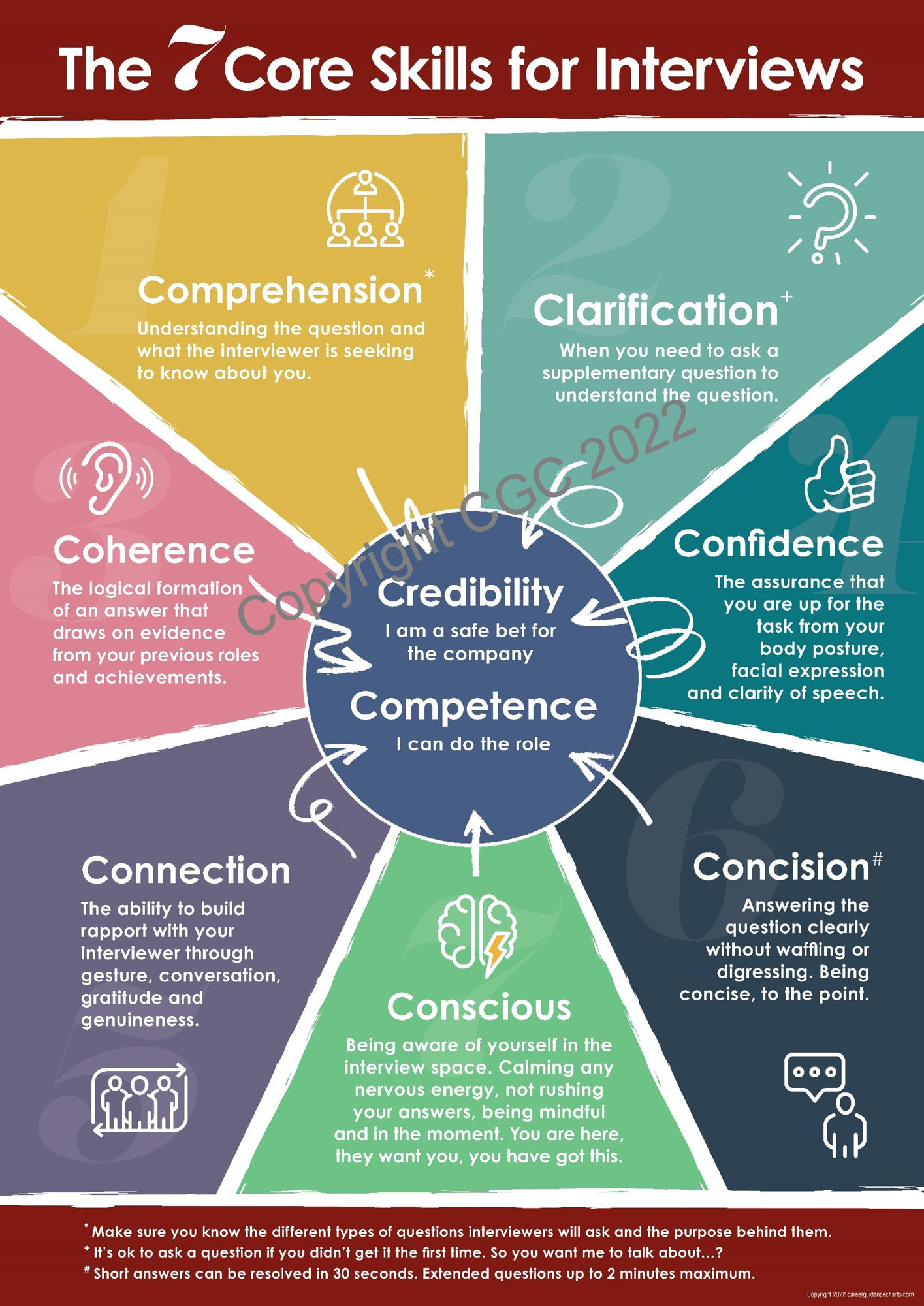
Credit: www.careerguidancecharts.com

Credit: www.youtube.com
Frequently Asked Questions
What Causes Poor Interview Skills?
Poor preparation, lack of practice, and nervousness often cause poor interview skills. Not researching the company or role can also contribute. Additionally, ineffective communication and inability to articulate experiences can hinder performance. Improving these areas can significantly enhance interview outcomes.
How Can I Improve My Interview Skills?
Practice regularly with mock interviews and seek feedback. Research the company and role thoroughly. Develop strong communication skills and prepare concise answers. Highlight your experiences and accomplishments confidently. Stay calm and maintain a positive attitude throughout the interview process.
Why Is Preparation Crucial For Interviews?
Preparation builds confidence and reduces anxiety. It helps you articulate your experiences and skills effectively. Knowing the company and role demonstrates your interest and enthusiasm. Preparation also allows you to anticipate questions and prepare thoughtful answers, improving your overall performance.
How Does Body Language Affect Interviews?
Body language conveys confidence and professionalism. Positive gestures like eye contact and a firm handshake create a good impression. Avoid negative signals like crossing arms or fidgeting. Your posture, facial expressions, and tone of voice also play crucial roles in how you’re perceived.
Conclusion
Building strong interview skills is essential for career success. Practice helps. Confidence grows with preparation. Understand common questions. Know your strengths. Communicate clearly. Employers seek candidates who impress. Effective interviews open doors. Show genuine interest in the role. Tailor your answers.
Highlight relevant experiences. Body language matters. Listen actively. Adapt to different interview styles. Online interviews require special attention. Dress appropriately. Stay calm. Overcome nerves with deep breaths. Mistakes happen. Learn from them. Improve with each interview. Persistence pays off. Success follows.
With dedication, you can enhance your skills. Aim for continuous improvement. Secure your dream job.

 Anthony Wright