 Anthony Wright
Have you ever wondered why skills development is such a hot topic in your workplace? Imagine walking into your office, brimming with confidence because you’ve mastered a new skill that sets you apart from your colleagues.
This is the power of skills development. It’s not just about ticking boxes on your professional checklist; it’s about transforming your career and boosting your productivity. When you improve your skills, you don’t just increase your value to your employer; you also open the door to new opportunities and job satisfaction.
So, why is it crucial for your growth and success? Dive into the article to discover how skills development can reshape your professional journey and empower you to reach new heights.
Boosting Employee Performance
Skills development boosts employee performance by enhancing abilities and knowledge. It leads to higher job satisfaction and efficiency. Employees feel valued and motivated, driving workplace success.
Boosting employee performance in the workplace is crucial for maintaining a competitive edge and ensuring a thriving business environment. Skills development plays a pivotal role in this process. When you invest in your team’s growth, you not only help them become better at their jobs but also foster a culture of continuous improvement and motivation.
Enhancing Productivity
When employees develop new skills, they can complete tasks more efficiently. Imagine an employee who takes a course in time management. They’ll learn to prioritize better, leading to faster completion of tasks. A more productive employee can take on additional responsibilities, which benefits both them and the company. Consider a scenario where your team learns to use advanced software tools. They can automate repetitive tasks, saving hours each week. This increase in productivity can translate to higher revenue without the need for additional hires.
Improving Quality Of Work
Skills development doesn’t just make employees faster; it makes them better. An employee who attends a workshop on quality assurance will learn how to spot errors before they become problems. This attention to detail can significantly enhance the quality of your products or services. Think about customer satisfaction. When your team consistently delivers high-quality work, clients are more likely to return and recommend your business. Developing skills in quality control leads to fewer mistakes and a stronger reputation. Have you ever considered how continual learning could impact your own work environment? Encouraging your team to develop new skills can lead to unexpected innovations and improvements in both processes and products. It’s not just about keeping up with the competition; it’s about setting new standards.
Fostering Innovation
Innovation is the heartbeat of any thriving workplace. It’s the spark that leads to progress and keeps you ahead in the competitive landscape. Skills development plays a crucial role in fostering innovation by equipping employees with the tools they need to think creatively and adapt to changing technologies.
Encouraging Creative Thinking
Creative thinking is essential for innovation. It allows you to look at problems from different angles and come up with unique solutions. Encouraging creative thinking in the workplace means creating an environment where ideas can flow freely.
One way to promote creativity is by organizing brainstorming sessions. These sessions allow team members to share their thoughts without fear of judgment. You might be surprised how a seemingly wild idea can lead to a groundbreaking solution.
Consider a time when you felt stuck on a project until a colleague suggested something unexpected. That moment of inspiration can change the course of your work. When employees feel safe to express their ideas, innovation blossoms.
Adapting To Technological Changes
Technology is constantly evolving, and adapting to these changes is vital for innovation. Developing your skills to keep up with technological advancements ensures your workplace remains efficient and competitive.
Think about the rapid evolution of digital tools. Every year, new software and platforms emerge that can streamline processes. By investing in skills development, you ensure your team can leverage these tools effectively.
Imagine being able to automate routine tasks, freeing up time for more creative endeavors. How much more could you achieve if technology worked for you rather than against you? When employees are trained to use new technologies, they can drive innovation forward with ease.
So, ask yourself: Is your workplace ready to embrace the future? Developing skills not only fosters innovation but also empowers you to adapt swiftly to technological shifts.
Increasing Employee Satisfaction
Skills development boosts employee satisfaction by enhancing their abilities and confidence. It creates a motivated, skilled workforce. Employees feel valued and more engaged, reducing turnover rates.
Increasing employee satisfaction is a key ingredient in creating a thriving workplace. When employees are happy, they are more productive, creative, and committed to their work. Skills development plays a crucial role in boosting satisfaction by offering opportunities for growth and personal achievement.
Promoting Career Growth
Employees want to feel their careers are progressing. Skills development can be a powerful tool in this journey. Offering training programs and workshops shows you value their future, not just their current role. Imagine the joy of mastering a new skill that opens doors to new responsibilities or even a promotion. When employees see a clear path to advancement, their motivation skyrockets. They become more invested in their work and future with the company.
Building Confidence And Morale
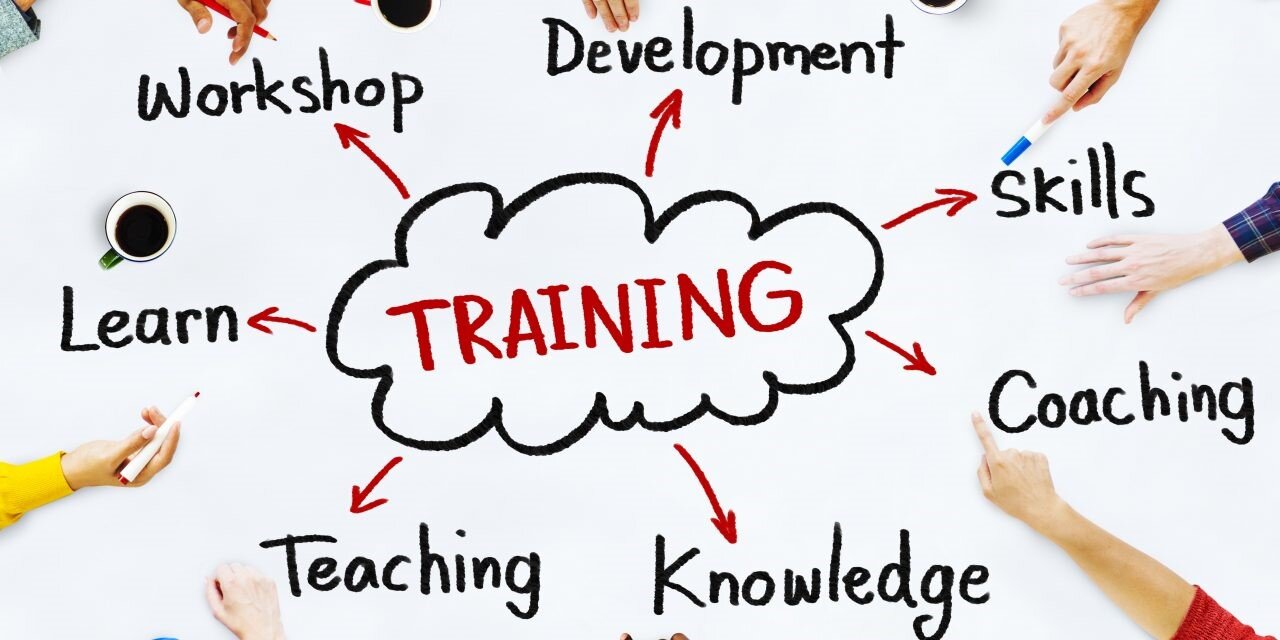
Confidence in the workplace is contagious. When employees learn new skills, they feel empowered. This newfound confidence can boost morale across the entire team. Think about the last time you learned something new. Remember the sense of accomplishment and readiness to tackle challenges? That’s the feeling employees get when they develop new skills. It creates a positive ripple effect, uplifting the workplace atmosphere. When was the last time your team felt truly excited about their work? Skills development could be the spark they need. By prioritizing learning, you’re not just investing in their skills but also their happiness and fulfillment. So, what skills will you help your team develop next?
Credit: www.tmgofficeservices.com
Enhancing Employee Retention
Skills development boosts employee retention by enhancing job satisfaction and growth opportunities. Employees feel valued and motivated to stay. This leads to a more skilled and committed workforce.
Enhancing Employee Retention In today’s dynamic workplace, retaining employees is more than just a strategic advantage; it’s essential for organizational success. Skills development plays a crucial role in this process. By offering growth opportunities, companies can significantly boost employee retention.
Reducing Turnover Rates
When employees feel stagnant, they often look elsewhere for growth. Providing skills development addresses this issue directly. It gives employees a reason to stay with your company. Consider the case of a tech startup that invested in upskilling its developers. Employees not only stayed longer, but they also contributed more creatively to projects. Wouldn’t you want your team to be motivated and loyal?
Creating A Positive Work Environment
A workplace that values skills development fosters positivity. Employees feel appreciated and more engaged. This creates a ripple effect, improving overall morale. Imagine a team where everyone is excited to learn and share new skills. This environment encourages collaboration and innovation. How much more productive could your workplace be with such a culture? By focusing on skills development, you’re not just enhancing employee retention. You’re building a thriving, positive workplace that attracts and keeps the best talent.
Gaining Competitive Advantage
Skills development helps companies stand out in their industry. It provides a clear competitive edge. With skilled employees, businesses can offer better products and services. This leads to increased customer satisfaction and loyalty.
Companies that invest in skills development often see improved innovation. Employees feel more confident and capable. They are more likely to contribute new ideas and solutions. This fosters a culture of growth and progress.
Meeting Industry Standards
Industries constantly evolve with new trends and technologies. Skills development ensures employees stay updated. It helps businesses meet or exceed industry standards. Staying current can prevent costly mistakes and inefficiencies.
Training programs can cover new regulations and best practices. This keeps employees informed and prepared. Companies that stay ahead often gain respect and trust from clients and partners.
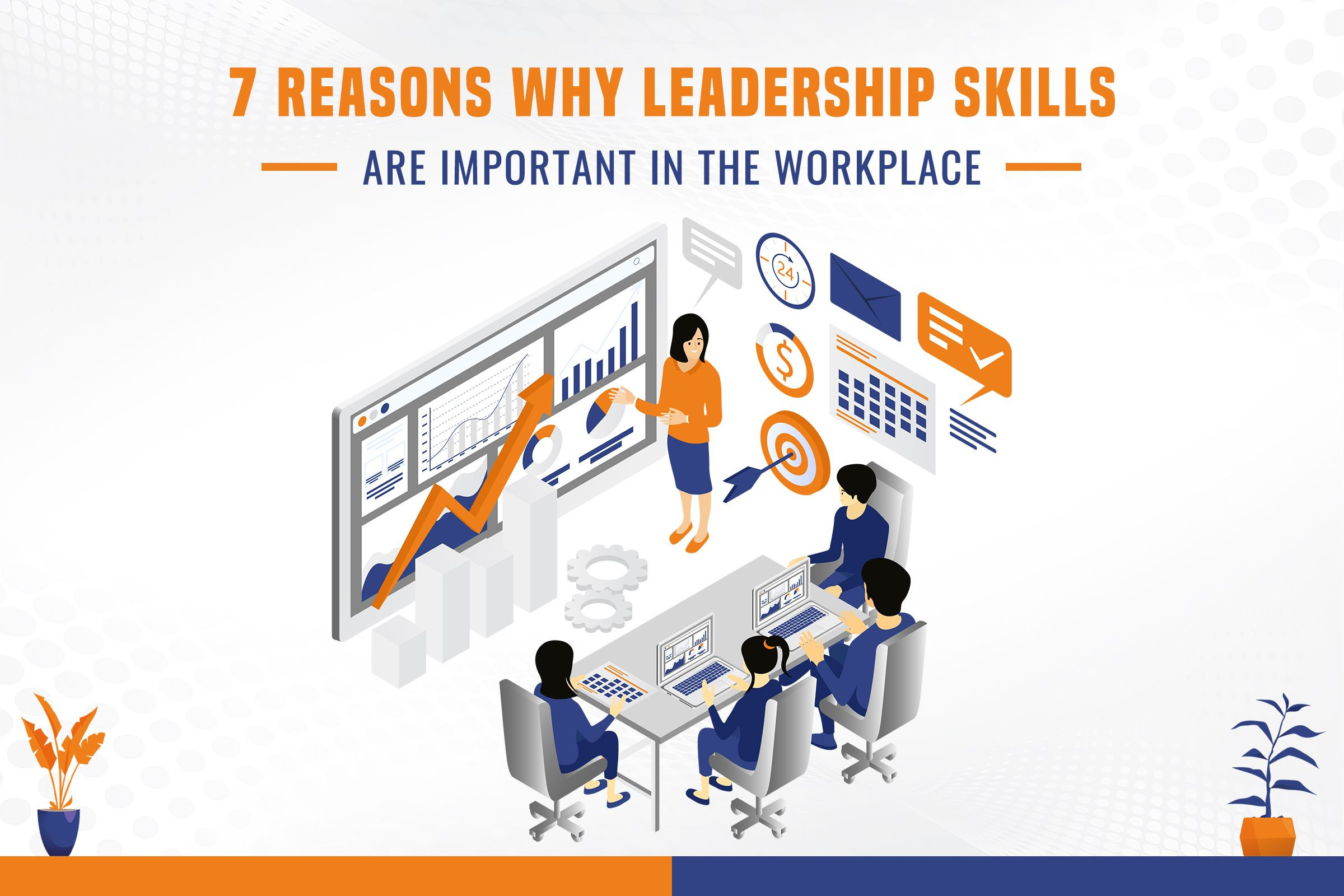
Attracting Top Talent
Talented professionals seek growth opportunities. Offering skills development can attract top talent. People prefer workplaces that invest in their future.
Employees value career development. They are more likely to join and stay with companies that prioritize it. This reduces turnover and recruitment costs.
With skilled employees, a company can achieve more. It becomes a place where professionals want to work.
Credit: www.learnow.live
Aligning With Organizational Goals
In today’s fast-paced work environment, aligning skills development with organizational goals is more crucial than ever. Imagine a scenario where your team’s skills directly contribute to achieving the company’s strategic objectives. This alignment not only enhances productivity but also boosts morale, as employees understand how their growth impacts the larger picture. Does your workplace training focus on this alignment?
Supporting Strategic Objectives
Skills development should be strategically tailored to support your company’s goals. This means identifying key areas where skill enhancement can drive success.
Consider a company aiming to improve customer service. Training employees in communication and empathy can directly support this objective. When employees feel equipped to meet these goals, they contribute more effectively.
Think about the last time you learned a skill that helped your team meet a target. How did it feel to see the direct impact of your growth on the company’s success?
Ensuring Long-term Success
Long-term success is often rooted in continuous skill development. As industries evolve, the skills that once propelled your company forward may need updating.
Investing in skills development ensures your team stays ahead of trends and technological advancements. This proactive approach is essential for maintaining competitive advantage.
Reflect on how your skills have evolved over the years. Are you learning to adapt to new challenges or sticking with old techniques?
Aligning skills with organizational goals is not just about current objectives. It’s about preparing for the future, ensuring that your team is ready for whatever comes next.
How are you planning to adapt your skills for future industry changes? Are you aligning your personal growth with the company’s vision?
Credit: www.artech.com
Frequently Asked Questions
What Are The Benefits Of Skills Development?
Skills development enhances productivity and innovation. It equips employees with relevant tools to tackle workplace challenges effectively. Improved skills lead to better job performance and career growth. Organizations benefit from a more competent and adaptable workforce, fostering a positive work environment and increasing overall competitiveness.
How Does Skills Development Impact Employee Morale?
Skills development boosts employee morale by increasing confidence and job satisfaction. When employees learn new skills, they feel valued and motivated. This positive reinforcement encourages a proactive attitude. A supportive learning environment leads to higher engagement and loyalty, reducing turnover rates and fostering a thriving workplace culture.
Why Should Companies Invest In Training Programs?
Investing in training programs ensures employees stay updated with industry trends. It promotes skill enhancement, leading to improved efficiency. Training programs foster innovation and adaptability, preparing employees for future challenges. Companies benefit from a competitive edge with a well-equipped workforce, driving growth and achieving long-term success.
How Does Skills Development Support Career Advancement?
Skills development opens pathways for career advancement by providing employees with necessary expertise. Acquiring new skills boosts confidence and makes individuals more competitive. Employees can take on more responsibilities, leading to promotions. Continued learning ensures career growth, helping individuals achieve their professional goals effectively.
Conclusion
Skills development boosts workplace efficiency and employee satisfaction. Workers learn new abilities and apply them daily. This leads to growth and better performance. Companies see improved results and team collaboration. Investing in skills helps retain staff and attract talent. Employees feel valued, motivated, and ready for challenges.
Everyone benefits from continuous learning and skill enhancement. It’s crucial for long-term success and adaptability. Encourage training and growth opportunities. They empower and strengthen the workforce. Skills development shapes a thriving, dynamic workplace. Embrace it for a brighter future.

 Anthony Wright