 Anthony Wright
Have you ever walked out of an interview feeling unsure about how it went? You’re not alone.
The ability to showcase your skills and personality in a short span of time can make or break your career opportunities. Good interview skills are crucial, not just for landing the job, but also for boosting your confidence and making a lasting impression.
Imagine walking into any interview room and knowing exactly how to present yourself. Sounds like a dream, right? But it’s entirely possible, and it starts with honing your interview skills. This isn’t just about answering questions; it’s about engaging with your potential employer and creating a connection. By the end of this article, you’ll discover why mastering interview skills is your secret weapon in the job market and how it can transform your career path. Dive in to learn how you can turn every interview into a stepping stone for success!
Essential Role In Career Advancement
Having good interview skills is crucial for your career advancement. Imagine this: you’re sitting across from a potential employer, and the way you present yourself could be the difference between landing your dream job or walking away empty-handed. Interview skills are not just about answering questions; they are about showcasing your potential and fit for the role.
How Interview Skills Impact Career Growth
Strong interview skills can pave the way for career growth. They help you make a memorable first impression, which is often the key to getting hired. Employers look for candidates who can communicate their strengths clearly and confidently. When you master this skill, you stand out among applicants.
Think about a time when you felt unprepared for an interview. Did you find it challenging to express why you were the best candidate? This is where good interview skills come into play. They allow you to articulate your value effectively, opening doors to opportunities that may have seemed out of reach.
The Influence Of Effective Communication
Effective communication is at the heart of good interview skills. It’s not only about what you say but how you say it. Consider practicing your responses to common interview questions. This helps you convey your thoughts clearly and confidently.
Imagine being able to answer tough questions without hesitation. Wouldn’t it boost your confidence and leave a positive impression? Employers appreciate candidates who can communicate well, as it often indicates their ability to work well in team settings.
Showcasing Your Unique Value
Every interview is an opportunity to showcase your unique value. What sets you apart from other candidates? Reflect on your experiences and achievements that highlight your strengths. Share stories that demonstrate your problem-solving skills or leadership qualities.
Remember a time when you successfully led a project. How did you overcome challenges? Sharing such experiences can make you memorable to interviewers. It’s about presenting yourself as the solution to their problem, rather than just another applicant.
Building Confidence Through Practice
Practice is key to building confidence in interviews. Regularly rehearse your answers and refine your body language. This preparation can ease nervousness and improve your performance. You might even practice with a friend or mentor for feedback.
As you gain confidence, your ability to handle unexpected questions improves. You’ll appear calm and composed, which makes a lasting impression. Wouldn’t you prefer to walk into an interview feeling prepared and self-assured?
Good interview skills can dramatically impact your career progression. They enable you to present yourself as a strong candidate and open up new opportunities. So, what will you do today to improve your interview skills?
Making A Strong First Impression
Good interview skills begin with making a strong first impression. Your first moments with an interviewer can set the tone. They influence how the rest of the interview goes. This is why your first impression is vital. It reflects your personality and confidence. Employers often decide quickly about a candidate’s potential.
Understanding The Importance Of First Impressions
First impressions are formed in seconds. They are based on appearance, demeanor, and communication. These impressions can impact your job chances. Interviewers are human. They react to visual and verbal cues. Your goal should be to convey competence and enthusiasm.
Building Confidence Through Preparation
Preparation helps you feel confident. Research the company well. Understand the role you are applying for. Practice common interview questions. This preparation shows through your confidence. It helps you make a solid first impression. A well-prepared candidate appears organized and serious.
The Role Of Body Language
Body language speaks volumes. Maintain eye contact. It shows engagement. A firm handshake conveys confidence. Sitting up straight portrays interest. Avoid crossing arms. It can seem defensive. Use gestures to express points clearly.
Choosing The Right Attire
Dress appropriately for the interview. Your attire should reflect the company culture. It should be neat and professional. Avoid bright colors or flashy accessories. They can be distracting. A polished appearance adds to a good first impression.
Effective Communication Skills
Clear communication is essential. Speak slowly and clearly. Use simple words to express your thoughts. Avoid jargon unless relevant. Listen actively. Respond to questions thoughtfully. This shows respect and understanding. It also highlights your communication skills.
Building Professional Confidence
Strong interview skills boost professional confidence and open doors to career opportunities. They help in expressing your ideas clearly and understanding the employer’s needs. Good skills in interviews can make a lasting impression, increasing the chances of securing your desired job.
Building professional confidence is a crucial aspect of mastering good interview skills. When you walk into an interview room, your confidence can set the tone for the entire conversation. It’s not just about what you say, but how you say it, and how you present yourself. This confidence can make a lasting impression on your interviewer, potentially tipping the scales in your favor.
Understanding The Power Of First Impressions
First impressions are often formed within the first few seconds of meeting someone. Your body language, the firmness of your handshake, and your eye contact all contribute to this initial perception. If you project confidence, you are more likely to be perceived as competent and trustworthy.
Consider a time you met someone who exuded confidence. How did it make you feel? Chances are, you felt more inclined to trust their abilities and judgment. This is the same effect you want to create during your interview.
Practicing To Boost Your Confidence
Practice is the key to building your professional confidence. The more you prepare for interviews, the more comfortable you become with the process. Start by rehearsing common interview questions and answers.
You might want to practice in front of a mirror or with a friend. This practice helps you refine your responses and reduces nervousness. Over time, this preparation will make you feel more self-assured and ready to tackle any question.
Embracing Feedback To Grow
Receiving feedback is an integral part of improving your interview skills. After each interview, reflect on what went well and what didn’t. Ask trusted friends or mentors for their input.
Constructive criticism can be a powerful tool for growth. It allows you to identify areas for improvement and work on them diligently. Embrace feedback with an open mind, and use it to build your confidence further.
Reflecting On Personal Success Stories
Reflect on past experiences where you succeeded in overcoming challenges. Think about interviews that went well and what you did right. These success stories can serve as personal reminders of your capabilities.
Acknowledge your achievements and use them to bolster your confidence. When you remind yourself of past successes, you’re more likely to approach interviews with a positive mindset. This positive attitude can significantly enhance your confidence and performance.
Building professional confidence is not just about feeling good. It’s about presenting yourself as the best candidate for the job. How will you use your next interview to showcase your confidence and skills?

Credit: umdcareers.wordpress.com
Effective Communication
Good interview skills open doors to career opportunities. They help express ideas clearly and confidently. Strong communication impresses interviewers and shows readiness for the job.
Effective communication is the cornerstone of any successful interview. Whether you’re speaking to a potential employer, a client, or a team member, the way you convey your thoughts can make a world of difference. Good interview skills, particularly effective communication, can set you apart from other candidates. They help you present yourself as confident, competent, and credible. The focus of this article is on two crucial aspects of effective communication: verbal clarity and non-verbal cues. Mastering these can transform your interview experience from daunting to delightful.
Verbal Clarity
Speaking clearly is not just about pronunciation. It’s about organizing your thoughts and expressing them in a way that’s easy for others to understand. Short, concise sentences can make your points stronger and more memorable. When I was interviewing for my first job, I spent hours practicing my responses to potential questions. This preparation helped me articulate my thoughts clearly and confidently. Have you ever listened to someone speak and felt lost after just a few sentences? Avoid jargon unless you’re sure your audience understands it. Instead, use simple, direct language to convey your message. This approach not only makes your message more digestible but also demonstrates your ability to communicate effectively.
Non-verbal Cues
Your body language speaks volumes even when you’re silent. Eye contact, posture, and facial expressions can all impact how your message is received. Maintaining eye contact shows confidence and helps build a connection with your interviewer. But balance is key; too much can be intimidating, and too little can make you seem disinterested. During an interview for a promotion, I noticed that my interviewer mirrored my posture, which indicated rapport.
This small detail boosted my confidence and encouraged me to engage more openly. Smiling can be disarming and create a friendly atmosphere. However, ensure your expressions match the content of your speech. Mixed signals can create confusion. Consider how you can use these non-verbal cues to reinforce your spoken words.
Are your gestures enhancing your point, or are they distracting? Incorporating these elements into your communication strategy can give you an edge in any interview. Effective communication is not just about what you say, but how you say it. Have you thought about the impression your communication style leaves?
Demonstrating Problem-solving Abilities
Employers highly value problem-solving skills during interviews. Demonstrating these abilities shows your capacity to handle challenges effectively. Good interview skills help you articulate problem-solving strategies, showcasing your potential as a valuable team member.
In today’s competitive job market, having good interview skills can significantly set you apart from other candidates. One key aspect of these skills is the ability to demonstrate problem-solving abilities. Employers are on the lookout for candidates who can effectively address challenges and contribute positively to their teams. Why is this so crucial? Because problem-solving is at the heart of any successful business. It showcases your ability to think critically and adapt to new situations.
Showcasing Analytical Thinking
During an interview, when you’re asked about a challenging situation you’ve faced, it’s your chance to shine. Detail how you analyzed the problem and what steps you took to solve it. This doesn’t just highlight your problem-solving skills; it also shows your ability to think analytically. How did you break down the issue? What tools or strategies did you use? Your answers can paint a clear picture of your analytical capabilities.
Highlighting Adaptability
Problem-solving often requires adapting to unforeseen circumstances. Share instances where you had to change your approach in response to evolving conditions. Perhaps you were working on a project and a key component failed. How did you adjust your plans? Highlighting these experiences shows that you can remain calm and resourceful when things don’t go as planned.
Emphasizing Collaboration
Sometimes, solving a problem isn’t a solo task. Discuss times when you worked with others to find a solution. Did you lead a team, or did you play a supportive role? Explain how you communicated with your team and integrated their ideas. This demonstrates your ability to work collaboratively, a skill valued in any workplace.
Reflecting On Learning Experiences
Every problem carries a lesson. Reflect on what you learned from the challenges you’ve faced. Did you develop a new skill or gain a deeper understanding of a particular subject? Sharing these insights can illustrate your ability to learn from experiences, which is vital for personal and professional growth. How has this learning shaped your approach to future challenges?
Engaging The Interviewer
Don’t forget that interviews are a two-way street. Engage your interviewer by asking them about typical challenges faced in the role. Show genuine interest in how your skills can contribute to solving those issues. This not only demonstrates your problem-solving abilities but also your enthusiasm for the position. Are you ready to tackle the challenges of this new role? Good interview skills, particularly in problem-solving, can open doors to opportunities that might otherwise remain closed. Practice, prepare, and approach each interview with confidence.
Showcasing Adaptability And Flexibility
Good interview skills highlight adaptability and flexibility, essential for navigating diverse job roles. They help communicate effectively and respond to unexpected questions. These skills also build confidence, making a strong impression on potential employers.
In today’s fast-paced and ever-changing job market, showcasing adaptability and flexibility during an interview is essential. Employers are looking for candidates who can adjust to new situations, learn quickly, and thrive in environments where change is constant. Demonstrating these skills not only makes you a strong candidate but also highlights your potential for growth within the company.
Understanding Adaptability In Interviews
Adaptability means being open to change and willing to learn new things. During interviews, you need to show that you’re comfortable stepping out of your comfort zone. Think about times when you’ve successfully handled unexpected challenges. Sharing these experiences can help the interviewer see your ability to adjust and thrive.
Flexibility: A Must-have Skill
Flexibility is about being able to shift gears and handle multiple tasks. Employers love candidates who can juggle responsibilities without getting overwhelmed. Consider sharing a story where you had to change your approach mid-project to meet a deadline. This illustrates your ability to manage stress and maintain productivity.
Practical Tips To Showcase Adaptability
– Stay Positive: In interviews, maintain a positive attitude even when discussing difficult situations. This reflects your ability to tackle challenges head-on. – Be Open-Minded: Show willingness to learn by discussing new skills you’ve acquired. Employers value lifelong learners who are eager to grow. – Ask Questions: Demonstrate curiosity by asking insightful questions about the company or job role. This shows your interest and readiness to adapt to their environment.
How Flexibility Can Benefit Your Career
Being flexible can open up new opportunities for you. It allows you to take on varied roles and tasks, making you indispensable to your team. Reflect on how you’ve adapted to different team dynamics or work schedules. These experiences prove your versatility and eagerness to contribute in multiple ways.
Are You Ready To Showcase Your Adaptability?
Consider this: How can your adaptability and flexibility set you apart from other candidates? Reflect on your past experiences, and think about how they can highlight your readiness for new challenges. Employers are on the lookout for individuals who are not just able to do the job but are also prepared to evolve with it.
Your ability to showcase adaptability and flexibility in interviews could be the key to unlocking new career opportunities. So, embrace these qualities and let them shine during your next interview!
Enhancing Networking Opportunities
Good interview skills boost networking opportunities by fostering strong first impressions. They help in clearly communicating your strengths and understanding others better. This leads to meaningful connections and potential collaborations.
Enhancing Networking Opportunities. Good interview skills are not just about landing the job. They also open doors to valuable networking opportunities. Every interview is a chance to connect with professionals in your field. Networking can help you gain insights, advice, and potential job leads. But how do you effectively leverage these opportunities?
Building Professional Relationships
When you interview, you’re not just showcasing your skills. You’re also building a rapport with the interviewer. This can lead to lasting professional relationships. Consider a time when you impressed an interviewer. They may remember you for future opportunities or recommend you to others in their network.
Expanding Your Network
Every interview is a chance to meet new people. You can connect with interviewers, HR personnel, and other candidates. These connections can expand your professional circle. Follow up with a thank-you email and a LinkedIn request. This simple action keeps you on their radar.
Gaining Industry Insights
Interviews often offer insights into industry trends and company culture. Ask thoughtful questions. Show your genuine interest in the field. This can provide you with valuable information. It also shows your enthusiasm and commitment, making you more memorable.
Learning From Feedback
After an interview, seek feedback. It can be a treasure trove of information for your growth. Constructive feedback helps you improve your skills. It also shows your willingness to learn, an attractive trait to future employers.
Converting Interviews Into Informational Meetings
Not every interview will end with a job offer. But it can still be beneficial. Turn the conversation into an informational meeting. Ask for advice and insights about the industry. This approach can lead to unexpected opportunities. Ask yourself: How can you better prepare for interviews to maximize these opportunities? Developing strong interview skills is not just about the present job market. It’s about paving the way for future networking possibilities.
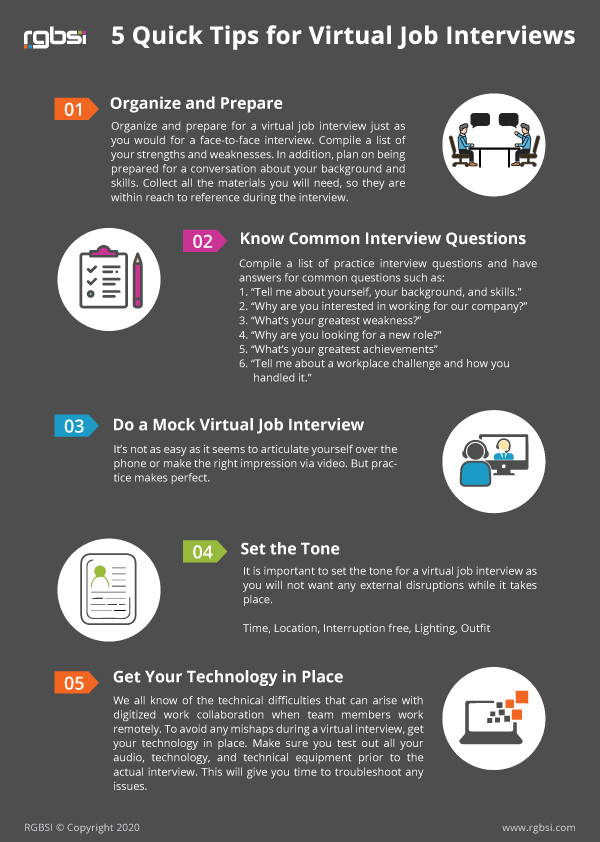
Credit: blog.rgbsi.com
Understanding Employer Expectations
Good interview skills help candidates understand employer expectations. They make communication clear and show professionalism. This builds confidence and increases chances of success in job interviews.
Understanding employer expectations is crucial for mastering interview skills. Employers are looking for candidates who not only have the right qualifications but also fit well within their team and company culture. When you grasp what employers are seeking, you can tailor your responses to align with their needs, increasing your chances of landing the job.
What Do Employers Really Want?
Employers want to see confidence. Confidence shows that you believe in your abilities and can handle the job’s responsibilities. During one of my early job interviews, I hesitated while answering a question. I could see the interviewer’s interest wane. Experience taught me to prepare thoroughly and speak with assurance. Do you have a story where confidence turned the tide in your favor?
The Importance Of Cultural Fit
Employers are keen on finding someone who meshes well with their company culture. It’s not just about skills; it’s about how you work with others. Think about a time when you worked in a team that just clicked. Remember how much smoother everything went? Understanding the company’s values can guide you in showing that you are the right fit. What steps do you take to learn about a company’s culture before an interview?
Demonstrating Problem-solving Skills
Employers are impressed by candidates who can tackle problems effectively. Think about a challenging situation you resolved. Highlighting such experiences in interviews can significantly boost your appeal. I once solved a recurring issue at work by suggesting a small change. It saved the team hours of frustration. How do you demonstrate your problem-solving skills in interviews?
Effective Communication Is Key
Clear communication is non-negotiable. Employers need team members who can share ideas and information clearly. Poor communication can lead to misunderstandings and errors. Practice your responses and pay attention to your tone and body language. They speak as loudly as your words. Are you making a conscious effort to improve how you communicate?
Why Passion Matters
Passion can set you apart from other candidates. Employers want to see your enthusiasm for the role and the company. Genuine passion is contagious and motivates those around you. Think about a time you were excited about a project or task. Did your enthusiasm influence others positively? How can you express your passion in your next interview? Understanding employer expectations and preparing accordingly can make all the difference in an interview. Tailor your approach and watch your success rate soar. What changes will you make to your interview preparation strategy?
Increasing Job Offer Chances
Strong interview skills boost job offer chances. They help in clearly expressing thoughts and answering questions effectively. Confidence and good communication create a lasting impression, increasing your likelihood of success.
In today’s competitive job market, having good interview skills can significantly boost your chances of landing a job offer. The way you present yourself during an interview can make or break your opportunity to secure the position you desire. By honing these skills, you can stand out from the crowd and leave a lasting impression on potential employers.
Mastering The Art Of First Impressions
First impressions are powerful. Within seconds, your interviewer will form an opinion based on your appearance, confidence, and demeanor. Dress appropriately for the job you’re applying for. It’s better to be slightly overdressed than underdressed. Greet your interviewer with a firm handshake and a warm smile. These small gestures can set a positive tone for the rest of the interview.
Communicating Effectively
Clear communication is crucial in an interview setting. Your ability to articulate your thoughts succinctly can demonstrate both your competence and confidence. Practice common interview questions with a friend. This helps you frame your responses clearly and avoid rambling. Listen actively to the interviewer’s questions. Respond thoughtfully, ensuring your answers are relevant and concise.
Showcasing Your Unique Skills
Every candidate has unique strengths. Identifying and showcasing yours can give you an edge. Reflect on your past achievements and how they relate to the position. Bring in specific examples to illustrate your abilities. Avoid the temptation to exaggerate. Instead, focus on genuine stories where you made a difference.
Understanding The Company’s Culture
Researching the company beforehand shows your interest and dedication. It also helps you tailor your responses to align with the company’s values. Explore the company’s website, recent news, and social media. Gain insights into their projects and culture. During the interview, ask questions about the work environment. This not only shows your enthusiasm but also helps you assess if the company is the right fit for you.
Building Rapport With The Interviewer
Building a connection with your interviewer can make you more memorable. A genuine rapport can differentiate you from other candidates. Find common ground. Whether it’s a shared interest or a mutual acquaintance, building a connection can ease the formality of the interview. Be authentic. Trying to be someone you’re not can come across as insincere. Embrace your true self and let your personality shine.
Good interview skills are not just about answering questions correctly. They encompass making a positive impression, communicating effectively, and building rapport. By refining these skills, you can significantly increase your job offer. What steps will you take to enhance your interview skills and stand out from the crowd?
Continuous Skill Improvement
Continuous skill improvement is essential for developing good interview skills. It involves learning and refining abilities over time. This process helps you stay competitive in the job market. Regular practice and feedback are key components. They ensure you grow and adapt to new challenges. Let’s explore how feedback and experience play a role in this journey.
Feedback Utilization
Feedback is a crucial tool for improvement. It offers insights into your strengths and weaknesses. Use feedback from past interviews to refine your techniques. Listen carefully to what interviewers say. Understand the areas that need work. Make adjustments based on constructive criticism. This approach will enhance your performance in future interviews.
Learning From Experience
Every interview is a learning opportunity. Reflect on each experience to gain insights. Identify what went well and what didn’t. Consider the questions that challenged you. Think about your responses. Were they clear and concise? Learning from each interview helps you prepare better for the next. It builds your confidence and hones your skills.

Credit: www.linkedin.com
Frequently Asked Questions
What Are The Benefits Of Good Interview Skills?
Good interview skills increase your confidence and improve communication. They help you present your qualifications effectively. Strong skills can set you apart from other candidates. This increases your chances of landing the job. They also enable you to make a positive impression on the interviewer.
How Do Interview Skills Impact Career Growth?
Effective interview skills can significantly influence career advancement. They help you secure better job opportunities. Strong skills also enable better networking and relationship-building. They allow you to communicate your career goals clearly. This can lead to promotions and career development.
Can Good Interview Skills Boost Self-confidence?
Yes, good interview skills can enhance self-confidence. Mastering these skills reduces anxiety during interviews. It prepares you to handle challenging questions with ease. Confidence from strong skills can positively affect other areas of life. This includes public speaking and professional interactions.
How Do Interview Skills Aid In Personal Development?
Interview skills contribute to personal growth by improving communication and critical thinking. They enhance your ability to articulate thoughts clearly. Good skills also help in developing active listening and empathy. This aids in better understanding and responding to others.
Conclusion
Good interview skills open doors to better job opportunities. They help you communicate your strengths clearly. Employers appreciate candidates who can express themselves well. This shows confidence and preparedness. With strong interview skills, you can make a lasting impression. You also increase your chances of landing the job.
Practicing these skills boosts self-assurance during interviews. It helps you remain calm under pressure. Interview skills are valuable in every career. They are essential for professional growth. Improving them is a step towards success. Start honing your skills today and watch your career flourish.

 Anthony Wright