 Anthony Wright
Walking into an interview can be nerve-wracking. You want to make a great impression and show that you’re the perfect fit for the job in USA.
But before you even open your mouth, the items you bring with you can speak volumes about your preparedness and professionalism. So, what should you take with you to an interview? Having the right things on hand can boost your confidence and keep you focused on what really matters—landing the job.
In this guide, you’ll discover the essential items that can set you apart from other candidates and help you shine. Keep reading to ensure you walk into your next interview with everything you need to succeed.
Research Materials
Preparing for an interview involves gathering essential materials. Bring multiple copies of your resume for reference. A notebook and pen can help jot down important points. Carry a list of questions to ask the interviewer.
Preparing for an interview can be nerve-wracking, but having the right materials can boost your confidence. Research materials are crucial to help you present yourself as the most informed and enthusiastic candidate. They show you’ve done your homework and are genuinely interested in the role.
Know The Company
Understanding the company’s mission, values, and recent news is essential. This knowledge lets you tailor your responses and show you’re a great fit. Just imagine sitting in an interview and discussing the company’s latest achievement. It demonstrates your interest and helps you connect with the interviewer.
Job Description Insights
The job description is your cheat sheet. Highlight key responsibilities and required skills. Reflect on how your experience aligns with these. This helps you anticipate questions and prepare answers that showcase your strengths. Have you ever found a job description that felt like it was written for you? Use that feeling to your advantage.
Industry Trends
Being aware of the latest trends in the industry can set you apart. It shows you’re not just interested in the job but the field itself. Share your thoughts on how these trends might impact the role you’re applying for. This can spark an engaging discussion and highlight your strategic thinking.
Competitor Analysis
Knowing who the company competes with can provide valuable insights. Discussing competitors’ strategies shows your understanding of the market landscape. It can also lead to conversations about how you can help the company stand out. Wouldn’t it be impressive to suggest innovative ideas that could give them an edge? Prepare thoughtful questions about the company and the role. This shows you’re proactive and interested in contributing positively to the team. Ask about the company’s direction or team dynamics. Are there specific projects you’d be excited to tackle? Showing genuine curiosity can leave a lasting impression. Incorporating research materials into your interview preparation can make you stand out. They empower you with information and confidence. What extra steps will you take to ensure you’re the most informed candidate?
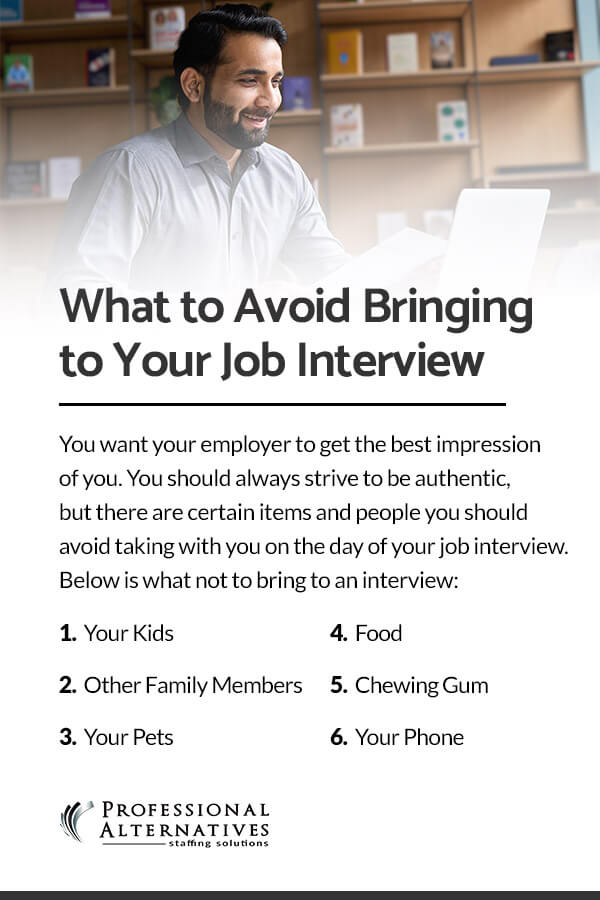
Credit: www.proalt.com
Resume Copies
Bring extra resume copies to your interview. Show preparedness. Offer them to your interviewer. Helps in discussions.
Heading to an interview can be nerve-wracking, but having the right materials with you can boost your confidence. One essential item you should never forget is a few copies of your resume. Even if you’ve already submitted your resume online, having physical copies on hand shows preparation and professionalism. Plus, you never know if the interviewer might need an extra copy or if there are additional people in the interview.
Why Multiple Copies?
Bringing multiple copies of your resume ensures you’re ready for any scenario. Imagine walking into a panel interview with only one resume. Awkward, right? Avoid this by bringing at least five copies. This small step demonstrates that you’re organized and proactive. It also ensures everyone in the room has a chance to review your qualifications.
How To Present Your Resume
Presentation matters. Ensure your resumes are clean, crisp, and easy to read. Print them on quality paper to make a good impression. When offering your resume, hand it over with a smile and a brief introduction. This simple gesture can start the interview on a positive note.
Should You Customize Your Resume?
Yes, tailoring your resume for the specific job can make a difference. Highlight experiences that align with the job description. It shows you’ve done your homework and are genuinely interested in the role. Customization can set you apart from other candidates who may not have taken the extra step.
What About Digital Copies?
While physical copies are a must, having a digital copy ready is also smart. Sometimes, technology fails, and interviewers appreciate a backup plan. You could store a copy on a USB drive or have it accessible via email. This flexibility can save the day if unexpected technical issues arise. Are you ready to impress your potential employer with your preparedness? Remember, the small details, like bringing resume copies, can leave a lasting impression.
Portfolio Or Work Samples
Bringing a portfolio or work samples to an interview can set you apart. These materials showcase your skills and accomplishments visually. They help the interviewer understand your capabilities better. A well-prepared portfolio can demonstrate professionalism and attention to detail.
Portfolio Presentation
Organize your portfolio neatly to create a positive impression. Include only your best work. Highlight projects that relate to the job. Use a clean design that is easy to navigate. Make sure it is visually appealing.
Digital Or Physical Format?
Consider the format that best suits your industry. Digital portfolios are popular in tech and design fields. Physical portfolios may be better for traditional industries. Choose the format that makes your work shine.
Tailoring To The Job
Customize your portfolio for each interview. Include work samples that match the job description. This shows your understanding of the role. Tailored samples can impress the interviewer.
Quality Over Quantity
Focus on quality rather than the number of samples. Show your strongest work. Avoid overwhelming the interviewer with too many pieces. Each sample should add value.
Practice Your Presentation
Rehearse how you will present your portfolio. Be ready to explain each sample clearly. Practice speaking about your work with confidence. A smooth presentation can enhance your credibility.

Credit: www.linkedin.com
List Of References
Preparing for an interview involves more than just rehearsing answers. An essential item to bring is a list of references. These can bolster your credibility and showcase your professional network. They provide potential employers with a peek into your work ethic and skills through the eyes of those who know you best.
What Is A List Of References?
A list of references is a compilation of individuals who can vouch for your abilities. They are usually professional contacts who have seen your work firsthand. Include people who know your strengths and can attest to your character.
How To Choose Your References
Select individuals who hold relevant positions in your industry. Ensure they are familiar with your work and accomplishments. Choose references who can provide specific examples of your skills. Avoid selecting family or friends. Their opinions may not hold the same weight.
Formatting Your References List
Your references should be easy to read. Include each reference’s full name and job title. Add their contact details, including phone number and email. Ensure you have permission before listing someone. Keep your list concise with three to five strong references.
When To Present Your References
Offer your list of references at the end of the interview. Present it when asked or when discussing your skills. Ensure you have a printed copy ready. This shows preparedness and organization. It reinforces your commitment to the position.
Benefits Of A Strong References List
References provide insight into your work ethic. They highlight your strengths through someone else’s perspective. A strong list can differentiate you from other candidates. It adds credibility to your application. Employers often value external opinions.
Notepad And Pen
Walking into an interview can be nerve-wracking. Preparation is key. A notepad and pen are essential tools. They help you stay organized and attentive. They also show your professionalism. Let’s explore why these simple items are so important.
Notepad: Your Interview Companion
A notepad keeps you focused. Use it to jot down key points. Interviewers appreciate attentive candidates. It shows you value their time. Write down names, dates, and facts. This helps you remember details later. A notepad is also useful for noting questions. Asking questions shows your interest in the position.
Pen: A Simple Yet Powerful Tool
A pen is more than just a writing instrument. It signifies readiness. A working pen ensures you can take notes smoothly. Bring a reliable pen to avoid mishaps. Choose one that writes clearly. A smudged note can lead to confusion. Ensure it has enough ink. A failing pen can disrupt your flow.
Professionalism And Preparedness
Carrying a notepad and pen demonstrates professionalism. It shows you are serious about the opportunity. These tools display preparedness. They help you engage more effectively. Interviewers notice these small details. It reflects your attention to detail.
Conclusion: The Power Of Simplicity
In interviews, the smallest details matter. A notepad and pen seem basic. Yet, they hold immense value. They aid in communication and retention. Embrace their simplicity. They can make a significant difference.

Credit: www.youtube.com
Questions For The Interviewer
Bring a copy of your resume to the interview. Prepare questions for the interviewer. Carry a notepad and pen.
Preparing for an interview isn’t just about perfecting your answers. It’s about asking the right questions too. This part of the interview process is often overlooked but can be a powerful tool in showcasing your interest and enthusiasm. The questions you ask can reveal your priorities and help you decide if the company aligns with your career goals. Let’s dive into some essential questions you should consider asking during your interview.
What Are The Biggest Challenges Facing The Team Right Now?
Understanding the challenges your potential team faces can offer invaluable insight into the work environment. It allows you to gauge the dynamics and expectations within the role. Are these challenges something you’re excited to tackle? Your curiosity about their obstacles shows your willingness to be part of the solution.
How Do You Measure Success For This Role?
Every job comes with expectations. Asking how success is measured gives you a clearer picture of what your employer values most. This information helps you align your skills and efforts to meet their needs. It can also help you determine if the company’s definition of success matches yours.
Can You Describe The Company Culture?
Company culture plays a significant role in job satisfaction. Knowing what the work environment is like helps you decide if you’ll thrive there. Are you looking for a collaborative atmosphere or a more independent one? Your inquiry into their culture demonstrates that you are thoughtful about where you want to work.
What Opportunities Are There For Professional Growth?
You want a position that not only challenges you but also helps you grow. Asking about professional development shows your ambition and desire to advance. Are there training programs or mentorship opportunities? Your interest in growth indicates a commitment to your long-term career path.
What Do You Enjoy Most About Working Here?
This question flips the interview dynamic, offering a glimpse into the personal experiences of your interviewer. Their response can reveal the positive aspects of the company. Do their experiences resonate with what you’re looking for in a workplace? Knowing what they love can help you see if it aligns with your own values. Asking thoughtful questions not only impresses your interviewer but also empowers you to make informed decisions about your future. Are you ready to use this opportunity to learn more and stand out?
Identification Documents
Bringing identification documents to an interview is crucial. A driver’s license or passport verifies your identity. A copy of your resume and references shows preparedness and professionalism.
Identification documents are essential when heading to an interview. They prove who you are and help verify your credentials. Without them, you might miss out on crucial opportunities.
Why Are Identification Documents Important?
Imagine arriving at your interview, but the receptionist can’t confirm your appointment. Identification documents prevent this scenario. They establish your credibility and ensure you’re the right candidate for the job. Always carry them to avoid unnecessary hiccups.
Types Of Identification Documents To Bring
You might wonder what documents are necessary. A government-issued ID like a driver’s license or passport is a must. These are universally recognized and can also be required for security checks.
Is A Student Id Enough?
If you’re a student, you may ask if a student ID is sufficient. Generally, it’s better to have a government-issued ID. Student IDs can sometimes lack the necessary authority. If you have no other option, ensure it’s valid and up-to-date.
Digital Copies: Yay Or Nay?
With technology advancing, digital copies seem convenient. But, not every organization accepts them. Carry physical copies to be safe. Consider digital copies as a backup rather than the primary form.
Unexpected Benefits
Having your identification ready can unexpectedly boost your confidence. Knowing you’re prepared in this small way can set a positive tone for the entire interview. It’s a simple step that can have a profound impact.
What Happens If You Forget?
Forgetting your ID can be a nightmare. You might not be allowed into the building. Double-check your bag before leaving home. It’s a small task that could save you a lot of stress. Remember, preparation is key. Identification documents are not just a formality; they play a crucial role in setting a professional tone for your interview. What identification document will you never leave home without for an interview?
Professional Attire
Taking a neat folder with extra resumes shows preparedness. A professional notebook and pen can help jot down notes. Bringing a list of questions ensures meaningful conversation with the interviewer.
Choosing the right professional attire for a job interview is crucial. It’s your first chance to make a lasting impression. Your outfit can influence the interviewer’s perception of your competence and fit for the role. Whether you’re aiming for a corporate position or a creative role, knowing what to wear can set you apart. Have you ever wondered if your outfit choice could make or break an interview?
Research The Company Culture
Understanding the company’s culture is key to choosing the right attire. Look at the company’s website or social media profiles for insights into their dress code. If you’re still unsure, a safe bet is business casual.
Choose The Right Colors
Colors can convey different messages. Neutral tones like black, grey, and navy blue are generally safe choices. They project professionalism and do not distract from what you are saying.
Pay Attention To Fit
Ill-fitting clothes can create a sloppy impression. Ensure your clothes fit well, neither too tight nor too loose. Consider tailoring if necessary.
Accessorize Wisely
Accessories should complement your outfit, not overshadow it. Opt for simple and classic pieces. Avoid anything too flashy or distracting.
Personal Grooming
Personal grooming is as important as your attire. Ensure your hair is neat, and your nails are clean. A subtle fragrance can be pleasant, but avoid overpowering scents.
Consider The Weather
Weather can influence your attire choice. Ensure your outfit is appropriate for the season. Layering is useful for changing temperatures. Remember that confidence is your best accessory. When you feel good about your appearance, it reflects in how you present yourself. Have you ever noticed how the right outfit boosts your confidence?
Personal Hygiene Items
Carrying essential personal hygiene items to an interview is important. Consider packing breath mints, tissues, and hand sanitizer. These items ensure you feel fresh and confident, leaving a positive impression.
Stepping into an interview is both an exciting and nerve-wracking experience. You want to make the best impression possible, and that means being prepared in every sense. While your resume and portfolio are essential, don’t underestimate the power of feeling fresh and confident. Personal hygiene items play a significant role in boosting your self-assurance. Let’s explore what you should pack in your interview kit to stay polished and poised.
Essential Personal Hygiene Items
Packing a small kit with essential personal hygiene items is a smart move. You never know when you might need a quick freshen-up. Include travel-sized toiletries like deodorant and breath mints. These can be lifesavers, especially if you’re meeting over lunch or have multiple interviews in a day.
Deodorant: Stay Fresh Under Pressure
Have you ever found yourself in a warm room during an interview, feeling less than fresh? A travel-sized deodorant is a simple solution. Apply a quick swipe before entering the building. This keeps you feeling clean and more confident during your conversation.
Breath Mints: A Fresh Start
Imagine your interviewer leaning in to hear you better, and you suddenly worry about your breath. Save yourself the anxiety and pop a breath mint. It’s a small gesture that ensures your focus remains on the conversation, not your confidence.
Hand Sanitizer: Clean Hands, Clean Impression
Shaking hands is a customary part of interviews. Ensure your hands are clean and dry with a small bottle of hand sanitizer. It’s not only about cleanliness, but it also shows you care about hygiene and health standards.
Tissues: Be Prepared For The Unexpected
Tissues are invaluable for unexpected sneezes or spills. They’re a simple addition to your kit, yet they offer great peace of mind. You’ll feel ready to tackle minor mishaps without breaking your stride.
Lip Balm: Comfort And Care
Dry lips can be distracting during an interview. Keep a lip balm handy to maintain comfort and focus. It’s a little touch that helps you present your best self without unnecessary distractions. Incorporating personal hygiene items into your interview preparation can make a significant difference. Think about your experiences. Have you ever felt distracted by a small discomfort that could have been easily avoided? Packing these essentials ensures you remain focused and ready to impress, allowing your skills and personality to shine through effortlessly.
Emergency Contact Information
Bringing emergency contact information to an interview is crucial. It ensures quick assistance in case of unforeseen situations. Keep this information easily accessible, such as in your phone or a notebook.
Preparing for an interview can be nerve-wracking, but being well-prepared can ease some of that stress. One crucial but often overlooked item to bring is your emergency contact information. You might wonder why it’s necessary, especially when you’re not expecting anything to go wrong. However, unexpected situations can arise, and having this information handy ensures that you’re ready for anything. It’s a small step that can make a big difference.
What Is Emergency Contact Information?
Emergency contact information includes the details of someone who can be reached in case of an unforeseen event. Typically, this person is a family member or close friend. You should have their full name, phone number, and relationship to you noted down.
Why You Should Bring It
You might think it’s unnecessary, but carrying emergency contact information shows that you’re meticulous and prepared. Imagine feeling unwell during an interview or facing a sudden emergency. Having these details can help others assist you promptly.
How To Store It
Keep it simple. Write it on a small card or note and place it in your wallet or bag. Alternatively, store it on your phone, but make sure the battery is charged. Choose a method that ensures it’s easily accessible.
Real-life Example
I once witnessed a candidate faint during an interview due to stress and dehydration. The company staff needed her emergency contact but had no way of accessing it. If she had carried this information, it would have saved valuable time.
Preparing For Peace Of Mind
Preparation isn’t just about rehearsing your answers or dressing the part. It’s also about being ready for anything that comes your way. How do you feel knowing that a small card can provide peace of mind during an unpredictable situation?
Final Thoughts
Taking emergency contact information to an interview might seem minor, but it’s a vital aspect of interview readiness. It reflects your thoughtfulness and attention to detail. Next time you prepare for an interview, will you include this simple but crucial step?
Water Bottle
Attending an interview can be nerve-wracking. Staying hydrated is crucial. Bringing a water bottle is a smart choice. It can improve focus and calm nerves. A sip of water can be refreshing and grounding. Let’s explore why carrying a water bottle is essential for interviews.
Convenience And Comfort
A water bottle is convenient. You can keep it in your bag. It is easily accessible during wait times. Sipping water can provide comfort. It helps when you feel nervous. Staying hydrated boosts confidence too.
Hydration And Health
Proper hydration supports mental clarity. It aids in maintaining alertness. Dehydration can cause fatigue and headaches. Drinking water keeps energy levels stable. It also supports overall well-being. A hydrated mind performs better.
Professional Impression
Carrying a water bottle shows preparedness. It indicates attention to personal needs. Employers notice small details. A well-prepared candidate appears professional. It reflects good habits and responsibility.
Eco-friendly Choice
Reusable water bottles are eco-friendly. They reduce plastic waste. Choosing a reusable bottle shows environmental awareness. It aligns with sustainable practices. This can positively impress potential employers.
Practical Considerations
Choose a bottle with a secure lid. Avoid spills in your bag. Select a size that fits comfortably. Consider a design that matches your style. Ensure it is easy to open and close. A practical choice enhances convenience.
Travel Directions
Consider taking copies of your resume and a list of references. Dress appropriately and carry a notepad and pen. Prepare your questions for the interviewer and bring a portfolio if relevant.
Traveling to your interview with confidence starts with having the right directions. Knowing exactly where you’re headed eliminates stress and allows you to focus on the conversation ahead. Have you ever found yourself lost minutes before an interview? That’s a situation no one wants to be in. Let’s explore how you can ensure smooth sailing to your destination.
Check Your Route
Before the big day, verify your route using reliable sources like Google Maps or Waze. Analyze traffic patterns at your interview time. This ensures you avoid unexpected delays. Are you familiar with alternate routes? Have a backup plan ready in case of roadblocks or closures.
Print Directions
Digital maps are great, but technology can fail. Print a physical copy of your directions as a safety net. This simple step can be a lifesaver if your phone dies or loses signal. It’s always better to be over-prepared than under-prepared.
Consider Public Transport
Taking public transport might be the best option for city interviews. Check the nearest bus or train stops to your destination. Are you aware of the schedule and frequency? This knowledge allows you to plan your journey with precision.
Test Drive
If possible, conduct a test drive to your interview location. This firsthand experience helps you gauge travel time and spot any potential hiccups. Is there construction along the way? Knowing this beforehand can help you adjust your schedule accordingly.
Account For Parking
Parking can be a hidden challenge. Research parking options near your interview site. Are there free spots or will you need cash for meters? Arriving early gives you time to find parking without the last-minute scramble.
Stay Updated
Traffic can change rapidly. On your way to the interview, keep an ear on local radio or use apps for real-time updates. Are there new accidents affecting your route? Staying informed helps you react swiftly and adjust your plans. Remember, getting to the interview is just as important as the interview itself. Your punctual arrival reflects your professionalism and respect for the interviewer’s time. Ready to make a great first impression? Your journey starts before you even step foot in the interview room.
Frequently Asked Questions
What Documents Should I Bring To An Interview?
Always bring multiple copies of your resume and cover letter. Include any certificates or licenses relevant to the job. Having a list of references is also helpful. These documents demonstrate your preparedness and make a positive impression on the interviewer.
Should I Bring A Notebook And Pen?
Yes, bringing a notebook and pen is recommended. Taking notes during an interview shows your attentiveness and interest. It also helps you remember important details discussed. You can jot down questions to ask, which indicates your engagement and preparation.
Is It Necessary To Bring Identification?
Yes, bringing identification to an interview is essential. Some companies require ID for security reasons. It also ensures a smooth onboarding process if you’re hired on the spot. A driver’s license or passport is commonly accepted.
Do I Need To Bring A Portfolio?
If applicable, bring a portfolio showcasing your work. It highlights your skills and achievements. A well-organized portfolio can give you an edge over other candidates. It’s particularly important for creative roles like design or writing.
Conclusion
Preparing well for an interview boosts confidence. Bringing essential items makes a difference. Resume and references show your qualifications. A notebook and pen help jot down notes. Research about the company and role beforehand. Dress appropriately and arrive on time.
Stay calm and focus on your strengths. A positive attitude leaves a lasting impression. Listening well and answering clearly enhance communication. Interviews are opportunities to showcase your skills. With these tips, you can make a strong impression. Success is within reach when prepared.
Good luck on your interview journey!

 Anthony Wright