 Anthony Wright
Walking into an interview can be nerve-wracking. You might wonder how to truly shine and leave a lasting impression.
In a world where competition is fierce, standing out is crucial. But how do you make sure the interviewer remembers you? It’s not just about having a polished resume or wearing your best suit. It’s about showcasing your unique strengths and connecting on a deeper level.
Imagine leaving an interview and knowing you nailed it. Picture the excitement of getting that call with a job offer. You have the power to make this happen by understanding what sets you apart and using it to your advantage. You’ll discover simple yet powerful strategies to make yourself memorable. Get ready to transform your interview approach and boost your chances of success. Dive in and learn how to make the impression that lands you the job.
Research The Company
Researching the company before an interview is crucial. It gives you insights and boosts your confidence. Knowing the company’s values and goals helps you align your answers. It shows the interviewer you’re genuinely interested. This preparation sets you apart from other candidates. Let’s explore how to effectively research a company.
Explore Company Culture
Understanding the company culture is key. It helps you gauge if you’d fit in. Look at their social media for clues. Check their LinkedIn and Instagram. Notice how they communicate and interact. Read employee reviews on sites like Glassdoor. They offer honest insights into the work environment. This knowledge helps tailor your responses.
Understand Key Products Or Services
Knowing the company’s products or services is essential. It shows you’ve done your homework. Visit the company’s website. Read about their offerings. Look for any recent news or updates. Understanding what they sell helps you ask smart questions. It also helps you suggest how you can add value. This makes you a memorable candidate.

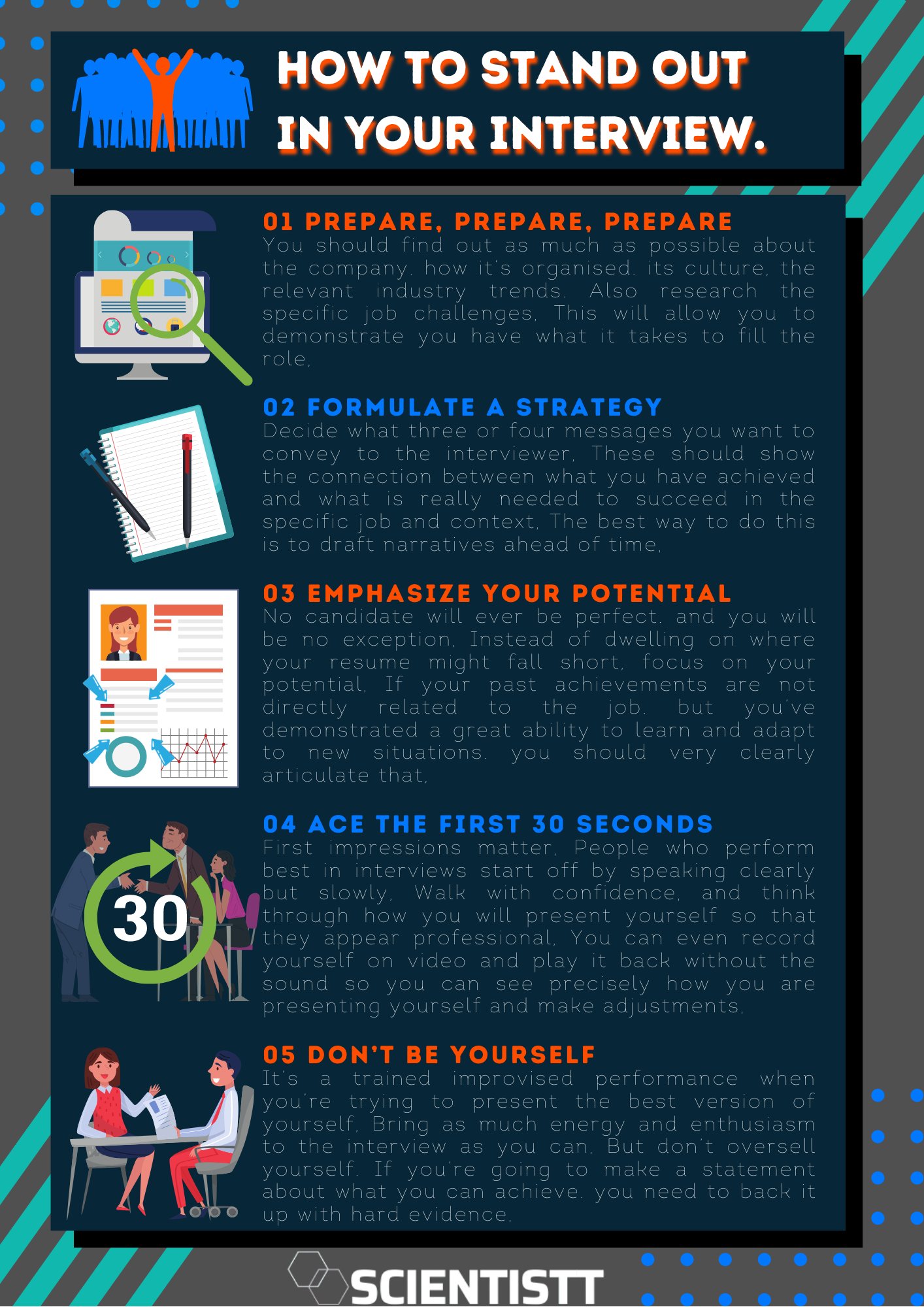
Credit: blog.appleone.com
Tailor Your Resume
Crafting a tailored resume captures attention in interviews. Highlight unique skills and experiences relevant to the job. This approach showcases your fit for the role, making you memorable.
Tailoring your resume is a crucial step in standing out during an interview. It’s not just about listing your experiences and qualifications; it’s about strategically aligning them with the job you’re applying for. Think of your resume as a tool to showcase your unique skills, making you the perfect candidate for the role. A generic resume might get lost in the pile, but one that’s tailored specifically for the position can capture the attention of hiring managers. How can you ensure your resume stands out? Let’s dive into the essentials of tailoring your resume effectively.
Highlight Relevant Skills
When you tailor your resume, prioritize highlighting the skills that are most relevant to the job. Go through the job description carefully and identify the key skills the employer is looking for. These skills should be front and center on your resume. Make use of bullet points to list your skills succinctly. This makes them easy to read and ensures they catch the eye of the interviewer. If you’re applying for a marketing role, emphasize your proficiency in digital marketing strategies or social media analytics. Have you ever landed a job because you emphasized the right skills?
Customize For Each Role
Customizing your resume for each role might seem like extra work, but it pays off. Tailor your experiences and achievements to align with the specific needs of the job you’re applying for. This shows employers that you’ve done your homework and are genuinely interested in their company. Consider using a table to organize different sections of your resume that need tailoring for each application. This could include your work experience, education, and skills. For a project management role, you might highlight your experience in managing cross-functional teams or successful project completions. This approach not only makes your resume more relevant but also demonstrates your attention to detail. Have you ever been surprised at how a small tweak in your resume led to an interview call? Incorporate these strategies into your resume preparation, and you’ll see a noticeable difference in how your applications are received. Tailoring your resume isn’t just a task—it’s an investment in your career path.
Craft A Compelling Story
Crafting a compelling story can make you memorable in interviews. Share experiences that highlight your skills and achievements. Engage your interviewer with a narrative that showcases your unique qualities.
Crafting a compelling story during an interview sets you apart. It helps create a memorable impression. Stories connect you with the interviewer. They offer a glimpse into your personality and work style. A well-told story can highlight your strengths. It can also show how you’ve grown in your career. Keep your story relevant to the job you’re applying for. Share experiences that highlight your skills and achievements.
Showcase Your Achievements
Highlight your successes with real examples. Describe a problem you faced and how you solved it. Focus on outcomes that benefited your previous employers. Use numbers or specific results to make your story stronger. For instance, mention a project where you increased efficiency by 30%. This provides a clear picture of your capabilities.
Align Experience With Job Requirements
Match your past experiences with the job’s needs. Study the job description thoroughly. Identify key skills and experiences required. Then, tailor your stories to reflect those attributes. Show that your previous roles prepared you for this new opportunity. Discuss situations where you used similar skills successfully. This shows you are ready for the job. It demonstrates that you understand the role well.
Credit: x.com
Practice Common Questions
Standing out in an interview starts with practicing common questions. Prepare clear, concise responses to highlight your skills. Show enthusiasm and confidence. Aim to connect with the interviewer.
Walking into an interview can be daunting, especially when you want to leave a lasting impression. One effective way to make sure you’re ready to shine is to practice common questions. This preparation helps you communicate your skills, experiences, and personality in the best possible light. Understanding the types of questions you’ll face can be a game-changer. Your answers should be more than just words—they should tell a story about who you are.
Develop Clear And Concise Answers
When you’re asked questions in an interview, your goal is to be clear and to the point. Think about the most common questions, like “Tell me about yourself” or “What are your strengths?” If your answer is wandering, you’re likely to lose your interviewer’s interest. Instead, craft your responses with a beginning, middle, and end. Start by stating your main point, back it up with relevant details, and conclude with a strong finishing line. For example, when asked about your strengths, you might say, “I am a highly organized person. In my previous role, I managed a team project that increased efficiency by 20%. This experience taught me the importance of planning and teamwork.” Doesn’t that sound more engaging than just saying you’re organized?
Prepare For Behavioral Questions
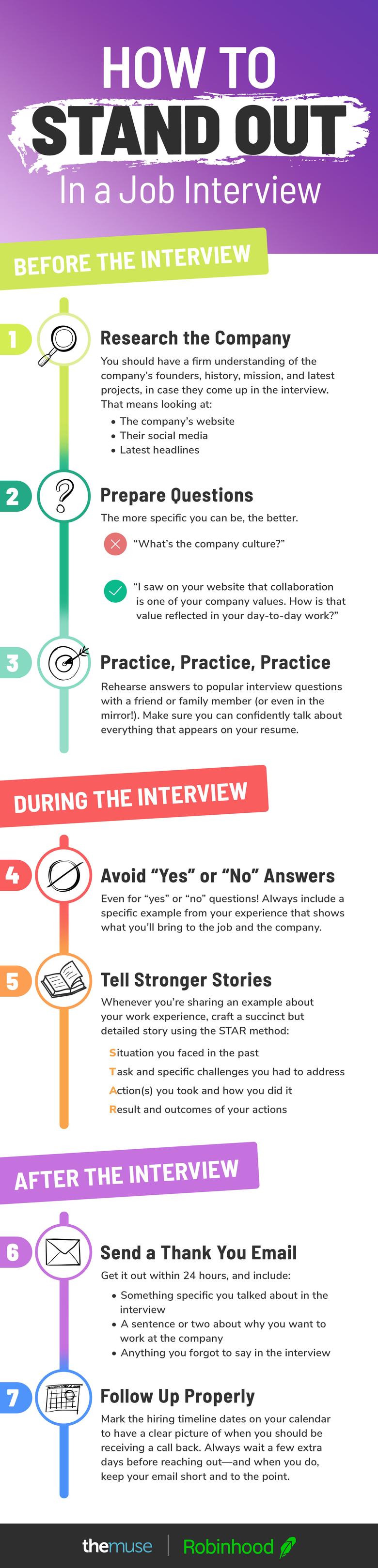
Behavioral questions are all about real-life experiences. Interviewers want to see how you’ve handled situations in the past. Questions like “Describe a time you faced a challenge” or “Give an example of how you worked on a team” are common. These questions aim to see if you have the skills needed for the job. The STAR method is your best friend here. It stands for Situation, Task, Action, and Result. Briefly explain the situation you were in, the task you needed to accomplish, the actions you took, and the result of those actions. For instance, “In my last job, our team had a tight deadline (Situation). I was tasked with coordinating different departments (Task). I created a shared calendar and set up regular check-ins (Action). We completed the project ahead of schedule, impressing our client (Result).” Can you see how this format keeps your answer focused and compelling? By practicing common questions and refining your answers, you’ll walk into your interview with confidence. Your preparation will show in your polished responses, making you a standout candidate.
Master Non-verbal Communication
Non-verbal communication can significantly impact your interview success. A confident presence can leave a lasting impression. Most interviewers notice how you communicate beyond words. Mastering non-verbal cues can set you apart. They show confidence and professionalism.
Maintain Good Eye Contact
Eye contact shows confidence and attentiveness. It builds a connection with the interviewer. Avoid staring, but maintain natural eye contact. It assures the interviewer of your sincerity. Look at the interviewer while speaking and listening. It shows you are engaged and interested.
Use Confident Body Language
Confident body language speaks volumes. Sit up straight and avoid slouching. It shows you are alert and ready. Use open gestures to appear approachable. Avoid crossing your arms. This can seem defensive. Nod occasionally to show understanding. A firm handshake at the start sets the tone.
Credit: www.themuse.com
Ask Insightful Questions
Standing out in an interview involves more than showcasing skills. Asking insightful questions can make a lasting impression. This approach shows engagement and a genuine interest in the company. It also helps you gather valuable information about your potential role.
Demonstrate Curiosity
Curiosity is a powerful trait. It indicates a desire to learn and grow. Ask questions about the team dynamics. Inquire how the company handles challenges. Show interest in the company’s mission. This demonstrates you care about more than just the role.
Consider asking, “What projects excite you about the future?” Or, “How does the team collaborate on complex tasks?” These questions reveal your inquisitive nature. They also indicate you’re eager to understand more about the company environment.
Explore Growth Opportunities
Growth is important for career development. Ask about opportunities for advancement within the company. Inquire about training programs available. Understand how employees progress in their roles. This shows you are thinking long-term.
Questions like, “What paths for career growth exist here?” Or, “How does the company support professional development?” can provide insight. They reveal your ambition and planning for future growth. It shows you are invested in your career trajectory.
Follow Up Effectively
After the interview, your journey isn’t over. Effective follow-up can make a difference. It shows your professionalism and keeps you on the interviewer’s mind. Follow-up actions can set you apart and strengthen your candidacy.
Send A Thank You Note
Sending a thank you note is crucial. It expresses gratitude for the opportunity. It also shows your appreciation for the interviewer’s time. Keep it short and sincere. Mention something specific from the interview that you enjoyed. This makes your note personal and memorable. Send it within 24 hours. This promptness reflects your eagerness and interest.
Express Continued Interest
Express your continued interest in the role. Highlight your enthusiasm. Share why you are excited about the opportunity. Reaffirm your strengths that make you suitable for the position. This reiteration can reinforce your suitability. Mention any new ideas or insights you have since the interview. This demonstrates your proactive approach.
Frequently Asked Questions
What Are The Best Ways To Prepare For An Interview?
Preparation is crucial for standing out. Research the company thoroughly, understand its culture, and align your skills with its needs. Practice answering common interview questions, dress appropriately, and ensure your resume is updated. Be ready to discuss your achievements confidently to leave a lasting impression.
How Can I Highlight My Unique Skills?
Identify your unique skills and experiences that align with the job requirements. Use specific examples to demonstrate how these skills have benefited previous employers. Tailor your answers to showcase your strengths, highlighting aspects that distinguish you from other candidates. Confidence in your uniqueness can make a significant impact.
How Important Is Body Language In Interviews?
Body language plays a vital role in interviews. It conveys confidence and professionalism. Maintain eye contact, offer a firm handshake, and sit upright. Use gestures naturally to emphasize points but avoid excessive movements. Positive body language can enhance your verbal responses, making you more memorable.
What Questions Should I Ask The Interviewer?
Asking questions shows your interest in the role. Inquire about the company culture, team dynamics, or future projects. Ask about growth opportunities within the organization. These questions demonstrate your proactive attitude and eagerness to contribute, leaving a positive impression on the interviewer.
Conclusion
Standing out in an interview isn’t just about skills. It’s about confidence and clarity. Show genuine interest in the role. Ask thoughtful questions. Share your achievements briefly. Remember to dress appropriately. Practice your responses before the interview. Bring a positive attitude.
Listen carefully to the interviewer. Maintain good posture throughout. Thank them for the opportunity. Follow up with a polite email. Interviews are a chance to connect. Be yourself and stay calm. Every experience is a learning moment. You can make a strong impression.
Success comes with preparation and sincerity.

 Anthony Wright