 Anthony Wright
Have you ever wondered how you can effectively enhance your skills or help others do the same? Imagine having someone by your side who not only guides you but also ensures that the learning process is smooth and impactful.
This is where a Skills Development Facilitator comes into play. You might be asking yourself, “What exactly does a Skills Development Facilitator do, and how can they benefit me or my organisation? ” Well, you’re about to discover the answer.
By the end of this article, you’ll understand the role, importance, and impact of a Skills Development Facilitator in nurturing and optimising skills for personal and professional growth. Keep reading to unlock the secrets to efficient skills development and how it can transform your journey to success.
Role Of A Skills Development Facilitator
Understanding the role of a Skills Development Facilitator is crucial for anyone interested in enhancing workforce capabilities. This role is not just about training but also about empowering employees to grow and adapt. Whether you’re a business owner or an employee, knowing what a Skills Development Facilitator does can help you leverage their skills effectively. Let’s dive into the responsibilities and the importance of these facilitators in organisations.
Key Responsibilities
The Skills Development Facilitator has a variety of tasks that focus on boosting employee skills. They assess the current skill levels in a company and identify areas for improvement. This involves creating tailored training programs that align with the organization’s goals.
They also monitor the effectiveness of training initiatives and adjust them as needed. Their role includes liaising with management and staff to ensure everyone is on the same page regarding skills development. Have you ever wondered who designs those training modules you attend? That’s them!
Importance In Organisations
Skills Development Facilitators play a pivotal role in organisational growth. By enhancing employee skills, they directly contribute to increased productivity and efficiency. When employees feel confident and competent, they perform better and contribute more effectively to the company’s goals.
Organisations that invest in skills development often see higher employee retention rates. Facilitators help create a culture of continuous learning, making the workplace more dynamic and engaging. Would you prefer working in a place where learning is encouraged or where you’re stuck in the same routine?
Imagine attending a training session that not only boosts your skills but also your confidence. That’s the magic of a good Skills Development Facilitator. Their work can transform workplaces into hubs of innovation and growth. Don’t you think it’s time to appreciate their crucial role in shaping the future of work?
Skills Required For Facilitators
Being a Skills Development Facilitator requires specific skills. These skills help in guiding and supporting individuals effectively. Facilitators need to communicate well, stay organised, and solve problems efficiently. Let’s explore these skills in detail.
Communication Skills
Communication skills are crucial for facilitators. They must listen carefully and speak clearly. This helps in conveying ideas and instructions. Good communication builds trust and understanding. Facilitators also need to adjust their language for different audiences. This ensures everyone understands and feels included.
Organizational Skills
Organisational skills help facilitators plan and manage tasks. They need to keep track of schedules and resources. This ensures that everything runs smoothly. Facilitators must prioritise tasks effectively. This helps them meet deadlines and achieve goals. A well-organised facilitator can handle multiple responsibilities with ease.
Problem-solving Skills
Problem-solving skills are essential for tackling challenges. Facilitators often face unexpected issues. They need to think critically and find solutions quickly. Analysing situations helps in making informed decisions. Creative thinking can lead to innovative solutions. A strong problem solver maintains a calm demeanour under pressure.
Benefits Of Skills Development Facilitation
Skills Development Facilitation offers numerous benefits to organisations and employees. It focuses on enhancing skills through structured programs. This leads to improved performance and job satisfaction. Facilitators play a crucial role in guiding employees towards growth. They help in identifying skill gaps and provide training solutions. This approach supports business objectives while nurturing talent within the company.
Employee Growth And Retention
Employees feel valued when offered development opportunities. Skills development increases their abilities and confidence. This leads to higher job satisfaction and loyalty. Companies with strong development programs see lower turnover rates. Employees are more likely to stay when they can grow and advance.
Enhanced Productivity
Well-trained employees work more efficiently. They complete tasks faster and with fewer errors. Skills development improves their competence and focus. This boosts overall productivity and performance. Teams become more cohesive and effective. They collaborate better and achieve goals together.
Adaptation To Change
Businesses face constant change. Skills development prepares employees for new challenges. They adapt quickly to new technologies and processes. This flexibility is crucial in today’s fast-paced world. Employees handle change with confidence. They embrace new opportunities and drive innovation.
Steps To Becoming A Skills Development Facilitator
Becoming a Skills Development Facilitator can be a rewarding career. This role involves guiding individuals and organizations to enhance their skills. By following structured steps, you can achieve this goal. Let’s explore the educational pathways, certification, and experience needed.
Educational Pathways
A strong educational background is essential. A degree in human resources, education, or business is helpful. Courses in communication and management add value. These subjects provide a solid foundation for your role.
Certification And Training
Certification increases your credibility. Many institutions offer relevant courses. These courses cover adult learning principles and training techniques. Completing these helps you stand out in the field. They also equip you with the necessary skills.
Gaining Experience
Practical experience is crucial. Start by working in training departments. Volunteer for projects that involve skill development. This hands-on experience is invaluable. It helps you apply theoretical knowledge in real scenarios. Over time, your expertise will grow.
Challenges In Skills Development Facilitation
Skills development facilitation faces many challenges. These challenges can hinder the growth and progress of individuals and organizations. Facilitators often encounter obstacles that require strategic solutions and adaptability. Understanding these challenges is crucial for successful implementation.
Overcoming Resistance
Resistance is a common challenge. Many people resist change, fearing the unknown. This resistance can slow down skill development. Facilitators need to engage with participants. Building trust is key. Clear communication helps in reducing fear. Encouraging participation and feedback fosters acceptance.
Resource Constraints
Resource constraints are another hurdle. Limited budgets can restrict training programs. Access to materials and tools may be insufficient. Facilitators must be creative. They can utilise existing resources effectively. Finding cost-effective solutions is essential. Collaborating with partners can also provide support.
Continuous Improvement
Continuous improvement is a challenge that demands focus. Skill development is ongoing. Facilitators must keep updating methods. Adapting to new trends is necessary. Feedback from participants can guide improvements. Regular assessment helps in refining techniques. Staying informed ensures the facilitator’s strategies remain effective.
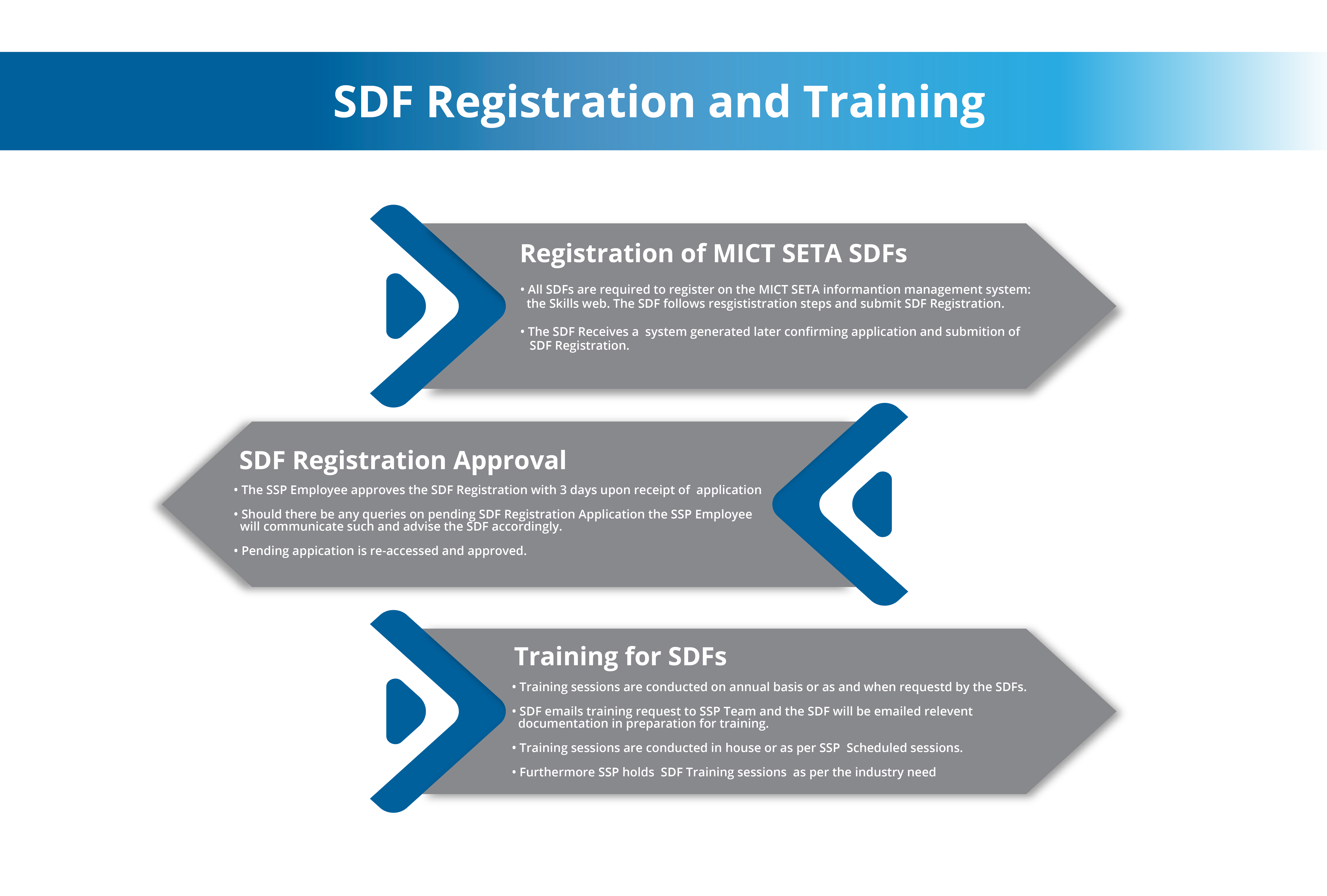
Credit: www.mict.org.za
Future Trends In Skills Development Facilitation
A Skills Development Facilitator ensures workers gain the right skills for their jobs. They help identify training needs and create learning programs. Future trends suggest a focus on digital skills and lifelong learning.
As the world evolves at lightning speed, so do the demands on our skills and abilities. Skills development facilitation is an area experiencing rapid transformation, driven by technological advancement and changing workplace dynamics. You might be wondering, what does the future hold for this essential field? Let’s dive into some emerging trends that are reshaping how we learn and grow.
Digital Transformation
The digital age is upon us, and it’s revolutionising skills development facilitation. With the rise of online learning platforms, you have access to courses and training materials from anywhere in the world. Imagine being able to learn coding from a top university without leaving your home. Artificial intelligence is also playing a role in customising learning experiences, making them more relevant to your needs. It’s crucial to stay updated with digital tools to remain competitive. Are you making the most of these resources?
Focus On Soft Skills
Technical skills alone won’t cut it in today’s job market. Employers are increasingly valuing soft skills such as communication, teamwork, and problem-solving. Have you ever worked with someone who had all the technical know-how but struggled to collaborate? It can be challenging, right? Skills development facilitators are emphasising these non-technical skills to prepare you for the realities of modern workplaces. Consider enrolling in workshops that enhance your emotional intelligence and adaptability. How do you rate your soft skills?
Lifelong Learning Initiatives
Gone are the days when education ended with a degree. Lifelong learning is becoming a norm, with continuous skill development being essential for career growth. You’ve probably noticed that industries are changing faster than ever before. How do you keep up? Businesses and educational institutions are fostering a culture of continuous learning. Whether it’s through mentorship programs or professional courses, growth opportunities are abundant. Are you taking advantage of these initiatives to future-proof your career? Embracing these trends can empower you to navigate the complexities of the modern world effectively. What steps will you take to enhance your skills development journey?
Impact On Career Growth
The role of a Skills Development Facilitator (SDF) can have a profound impact on your career growth. By focusing on enhancing your capabilities and competencies, an SDF can open doors to career advancement, help you build a competitive edge, and expand your professional network. These elements are essential for carving a successful career path. Let’s dive deeper into how each aspect can transform your professional journey.
Career Advancement Opportunities
Imagine you’re stuck in your current role, yearning for a promotion. An SDF can help you identify the skills you need to move forward. By developing these skills, you position yourself as a prime candidate for higher roles.
Consider the case of Sarah, who worked in marketing. Her SDF guided her to acquire digital marketing certifications. This proactive step led to a managerial position within a year. What skills do you need to climb the career ladder?
Building A Competitive Edge
In today’s fast-paced job market, standing out is crucial. An SDF helps you pinpoint and refine unique skills that differentiate you from others. This gives you a significant advantage in job applications and promotions.
Think about the competitive edge gained by a graphic designer who learns coding. They can offer more comprehensive solutions to clients. What unique skills could enhance your professional profile?
Networking And Professional Development
Networking is not just about exchanging business cards. It’s about building relationships that can propel your career forward. An SDF encourages you to attend workshops and seminars, where you meet industry leaders and peers.
Have you ever considered how your network could be your biggest asset? An SDF can guide you in leveraging professional connections for career growth. What events could you attend to expand your network?
The role of a Skills Development Facilitator is pivotal in shaping your career trajectory. With their guidance, you can unlock new opportunities, enhance your competitiveness, and build a robust professional network. Are you ready to embrace the potential of skills development?

Credit: serr.co.za
Credit: mgrush.com
Frequently Asked Questions
What Does A Skills Development Facilitator Do?
A Skills Development Facilitator (SDF) identifies training needs within an organisation. They design and implement effective training programs. SDFs ensure that employees gain relevant skills to enhance their performance. They also handle the administration of training sessions and evaluate their effectiveness.
How Does A Skills Development Facilitator Help Organisations?
A Skills Development Facilitator improves workforce productivity through targeted skill enhancement. They align training programs with organisational goals. By assessing and addressing skills gaps, SDFs ensure a more competent and competitive workforce. This leads to improved organisational performance and growth.
Why Is a Skills Development Facilitator Important?
Skills Development Facilitators play a crucial role in workforce development. They help organisations adapt to industry changes by ensuring employees have relevant skills. This improves job satisfaction and retention rates. Ultimately, SDFs contribute to long-term organisational success.
What Qualifications Are Needed For A Skills Development Facilitator?
A Skills Development Facilitator typically requires a background in human resources or education. Certifications in skills development or training are beneficial. Strong communication and organisational skills are essential. Experience in training program design and implementation is also highly valued.
Conclusion
A Skills Development Facilitator plays a key role in growth. They help people gain new abilities. This boosts confidence and career options. Understanding their role is important. It helps in making informed decisions. Organisations benefit from skilled workers. They improve productivity.
Learning new skills is a continuous journey. A facilitator guides this path effectively. Their support is essential for success. Everyone can learn and grow with their help. Investing in skill development is wise. It ensures a brighter future. Embrace opportunities to enhance your skills.
Reach for success with the right guidance.

 Anthony Wright