 Anthony Wright
Imagine stepping into a room, feeling calm and confident, ready to tackle any question thrown your way. How often do you walk into an interview with that kind of assurance?
The secret to unlocking this level of confidence lies in practicing your interview skills. You might be wondering, “Is it really worth my time? ” Picture yourself standing out from the competition, impressing potential employers, and landing your dream job.
That’s the power of honing your interview abilities. You’ll discover the tangible benefits of practicing interview skills and how it can transform not only your career prospects but also your self-assurance. Keep reading to uncover the key strategies that will help you shine in your next interview and beyond.
Boosting Confidence
Practicing interview skills builds confidence by reducing anxiety and enhancing communication abilities. It helps in understanding potential questions and formulating clear, concise responses. This preparation leads to a more relaxed and self-assured presence during actual interviews.
Boosting Confidence Confidence is a powerful tool, especially during interviews. When you practice your interview skills, you’re not just preparing responses—you’re building a solid foundation of self-assurance. Imagine walking into a room, standing tall, and speaking with certainty about your experiences. This confidence can set you apart from other candidates and leave a lasting impression on potential employers.
Enhancing Self-belief
Practicing interview skills helps you believe in yourself. Repeated rehearsals allow you to refine your answers and strengthen your narrative. You begin to trust your abilities more, making it easier to communicate your strengths. Think about a time when you felt fully prepared for a task—remember how smoothly everything went? That’s the power of self-belief. Preparation diminishes anxiety. Familiarity with common interview questions and scenarios makes the process less daunting. If you’ve practiced enough, your brain responds to interviews as routine, not as stress-inducing events. Try recalling a situation where preparation helped you stay calm. That calmness is your secret weapon against nerves.
Improving Communication Skills
Effective communication is crucial. Practicing interview skills sharpens your ability to articulate thoughts clearly. As you rehearse, you learn to avoid filler words and maintain eye contact—skills that enhance your presence. Consider how a clear message can influence the outcome of a conversation. The same applies to interviews; clarity can boost your confidence and impact.
Personal Growth
Each practice session is an opportunity for growth. You learn more about yourself, your achievements, and how to present them compellingly. Reflect on past experiences where you’ve grown from challenges. By practicing interview skills, you’re not just preparing for a job; you’re evolving as a person, gaining insights that shape your future interactions.
Building Resilience
Repeated practice builds resilience. You become comfortable with unexpected questions and learn to adapt your responses. Remember a time when you bounced back from a tough situation? That resilience fuels your confidence, allowing you to handle interviews with grace and poise. Would you rather enter an interview hesitantly or with the assurance that you can face any curveball thrown your way? Boosting confidence through interview practice is not just about acing the interview; it’s about transforming yourself into a more self-assured individual. So, as you prepare, focus not only on your answers but also on nurturing your confidence. How will you use your newfound confidence to shape your career path?

Credit: www.researchgate.net
Improving Communication
Practicing interview skills enhances communication by boosting confidence and clarity. It helps you express ideas effectively. This leads to better understanding in conversations.
Improving communication skills can be a game-changer in your professional life. Practicing interview skills doesn’t just prepare you for a job interview; it hones your ability to express thoughts clearly and confidently. Whether you’re speaking to a potential employer, networking, or collaborating with a team, effective communication is key.
Enhancing Verbal Skills
Strong verbal skills can set you apart in any professional setting. Through regular practice, you learn to articulate your thoughts more precisely. Consider a time when you struggled to explain an idea. Practicing interview skills can help you avoid such situations by teaching you to think on your feet and respond with clarity. You might notice you start using richer vocabulary and a more engaging tone. This keeps your listener interested and makes your message memorable.
Mastering Non-verbal Cues
Communication isn’t just about words. Your body language, eye contact, and even facial expressions speak volumes. Have you ever sat across from someone who seemed disinterested or distracted? Practicing interview skills helps you become aware of your own non-verbal cues. You’ll learn how to maintain eye contact, use gestures effectively, and project confidence through your posture. These non-verbal elements can reinforce your spoken words and build a stronger connection with your audience. Think about the last time you felt understood without saying much. That’s the power of mastering non-verbal communication. This skill can make you more relatable and approachable in any interaction. Improving communication through interview practice is more than just preparation—it’s a valuable life skill. How will you enhance your communication today?
Reducing Anxiety
Practicing interview skills can ease anxiety by boosting confidence. Preparation helps anticipate questions and refine responses. Feeling ready reduces nervousness, allowing for a calmer and more focused interview experience.
Reducing Anxiety Navigating a job interview can be nerve-wracking. But did you know that practicing interview skills can significantly reduce your anxiety? By preparing ahead, you can walk into any interview room with confidence.
Understanding The Roots Of Anxiety
Anxiety often stems from uncertainty and fear of the unknown. When you don’t know what to expect, your mind races with worst-case scenarios. But when you practice, you familiarize yourself with possible questions and scenarios. This preparation can eliminate many uncertainties and help keep those nerves in check.
The Power Of Repetition
Repetition is a powerful tool. Think about how athletes train. They practice repeatedly to get better. The same principle applies to interviews. The more you practice, the more comfortable you become. This comfort translates to reduced anxiety during actual interviews.
Role-playing To Build Confidence
Have you tried role-playing interviews? It’s an effective technique. Grab a friend or a mentor and simulate a real interview. This exercise not only boosts your confidence but also provides valuable feedback. You can identify areas to improve before the real deal.
Visualizing Success
Visualization can be a game-changer. Picture yourself acing the interview. Imagine answering questions with ease and leaving a great impression. This positive imagery reduces stress and boosts your self-belief.
Learning From Experience
Every mock interview is a learning opportunity. What went well? What could have been better? Reflecting on these questions helps you grow. Each session equips you with insights and skills to tackle future interviews with less anxiety.
Gaining Control Over Your Nerves
Have you ever noticed how preparation gives you a sense of control? When you know what to expect, you feel more in command. This control over the situation naturally calms your nerves. Practice empowers you to face interviews with a steady mind.
Developing A Positive Mindset
A positive mindset can diminish anxiety. By practicing, you prove to yourself that you’re capable and prepared. This belief in your abilities fosters positivity, making you more relaxed during interviews.
Building A Toolkit Of Strategies
Through practice, you build a toolkit of strategies. Whether it’s deep breathing, pausing before answering, or keeping a firm posture, these strategies are your anchors. They help you stay grounded and composed even in high-pressure situations.
Embracing The Unexpected
Interviews can be unpredictable. But with practice, you’re better equipped to handle surprises. You’re not thrown off by unexpected questions. Instead, you tackle them with poise and adaptability, significantly reducing anxiety. Isn’t it time to practice and see how it transforms your interview experience?

Credit: buildplus.io
Refining Responses
Practicing interview skills boosts confidence and improves communication. It enhances your ability to present ideas clearly. This preparation increases the chances of making a positive impression during interviews.
Refining your responses for an interview is like polishing a gem; it’s all about showcasing your best self. When you’re able to articulate your thoughts clearly and confidently, you not only boost your chances of landing the job but also feel more at ease during the interview process. This section will guide you through the essentials of refining your responses, helping you to craft strong answers and avoid common pitfalls.
Crafting Strong Answers
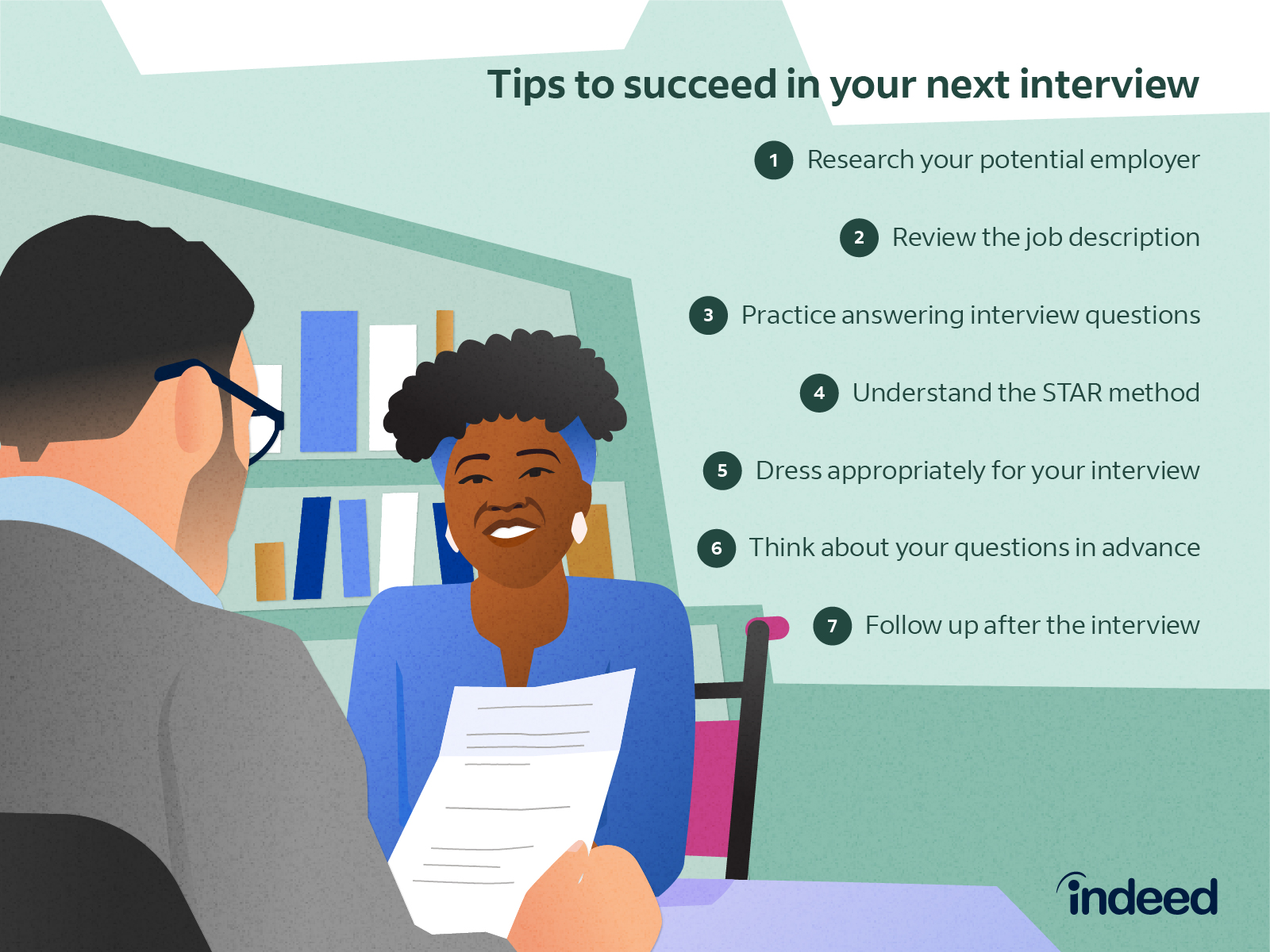
Developing strong answers requires preparation and self-awareness. Start by researching the role and the company, aligning your responses with what they value. Consider your experiences, skills, and achievements that directly relate to the job. Think about the STAR method—Situation, Task, Action, Result—to structure your responses. This approach helps you stay focused and ensures you cover all necessary points. A well-crafted response not only demonstrates your competence but also makes you memorable.
Avoiding Common Pitfalls
Common pitfalls in interviews often stem from lack of preparation or overconfidence. Avoid giving vague or overly general answers that don’t address the specific question asked. Instead, aim for clarity and precision in your responses. Another pitfall is talking too much or too little. Balance is key; ensure your answers are concise yet comprehensive. Have you ever walked out of an interview wishing you had said something differently? Practice can help you avoid this regret. Lastly, steer clear of negative language or speaking poorly about previous employers. Focus on the positive aspects of your experiences and what you learned from past challenges. This not only reflects maturity but also positions you as a proactive candidate. By refining your responses, you’re not just preparing for an interview—you’re setting yourself up for success. What steps will you take to enhance your interview skills today?
Increasing Success Rates
Interview skills are crucial for job seekers. Practicing these skills increases your success rates. Being prepared helps you respond confidently. It makes you more attractive to employers. Let’s explore the benefits of polishing interview skills.
Standing Out To Employers
Employers seek candidates who shine. Practicing interview skills helps you stand out. It shows you’re serious and prepared. You communicate better, making a lasting impression. Employers remember candidates who are clear and confident.
Securing Job Offers
Good interview skills lead to more job offers. The more skilled you are, the better your chances. Employers are impressed by candidates who know how to answer questions well. Practicing helps you land the job you desire.
Gaining Insight
Practicing interview skills offers more than just preparation. It provides valuable insights. Understanding the interview process helps candidates decode employer expectations. This understanding can elevate the interview experience.
Understanding Employer Expectations
Employers often seek specific qualities. Practicing interviews can reveal these expectations. Candidates learn to highlight their strengths effectively. This increases their chances of success. Knowing what employers want helps tailor responses. It makes a candidate stand out.
Learning Industry Trends
Interview practice helps candidates stay updated. The industry evolves constantly. Through mock interviews, candidates learn about new trends. They understand the current demands of the market. This knowledge is crucial for career growth. Staying informed helps candidates make better choices. It ensures they remain competitive.
Expanding Network
Practicing interview skills is not just about landing a job; it’s also about expanding your network. Every interview is a chance to connect with professionals who can open doors to new opportunities. But how exactly does this work?
Building Professional Connections
When you attend interviews, you meet people from different backgrounds and industries. These interactions can lead to meaningful connections. Imagine meeting a hiring manager who remembers your enthusiasm and expertise, even if you don’t get the job. Later, they might think of you for another role or introduce you to someone in their network. This is how professional connections start to form.
Consider how these connections can influence your career path. A simple conversation can lead to mentorship, collaboration, or even friendship. When you build these ties, you create a support system that can guide you through your career journey.
Leveraging Networking Opportunities
Interviews are not just about answering questions; they’re networking opportunities. They provide a platform to showcase your skills and personality to industry professionals. Have you ever thought about using interviews to expand your network intentionally?
After an interview, send a thank-you email. Express gratitude and keep the conversation going. This simple act can leave a lasting impression. You might find yourself in a position where your network grows organically through genuine interactions.
Think about the long-term benefits. Networking can offer job leads, career advice, or partnerships. Are you tapping into these opportunities effectively? Use interviews as a stepping stone to broaden your professional circle and enhance your career prospects.
In conclusion, practicing interview skills is more than a means to an end. It’s an opportunity to build and leverage your network. How are you preparing to make the most of it?
Credit: www.indeed.com
Frequently Asked Questions
Why Practice Interview Skills Regularly?
Practicing interview skills regularly boosts confidence and reduces anxiety. It helps you articulate your thoughts clearly and understand common interview questions. Regular practice allows you to refine your answers and improve your body language, ultimately increasing your chances of securing the desired job.
How Does Interview Practice Improve Communication?
Interview practice enhances your communication by allowing you to refine your verbal responses. It helps you develop clear, concise answers and improve non-verbal cues like eye contact and posture. This leads to better interactions during interviews, making you more memorable to potential employers.
Can Practicing Interviews Reduce Nervousness?
Yes, practicing interviews can significantly reduce nervousness. Familiarity with the format and questions increases your comfort level. Repeated practice builds confidence, helping you handle unexpected questions calmly. This preparation makes you more relaxed and focused during the actual interview.
Does Interview Practice Enhance Problem-solving Skills?
Interview practice sharpens problem-solving skills by exposing you to various scenarios. You learn to think quickly and provide logical solutions. Regular practice encourages creative thinking, enabling you to tackle complex questions with ease during the interview process.
Conclusion
Practicing interview skills boosts confidence. It prepares you for tough questions. With practice, answers become clearer and more precise. You learn to present your strengths effectively. Employers appreciate well-prepared candidates. It reflects dedication and effort. Good interview skills can make a strong impression.
This often leads to better job opportunities. You feel more relaxed and focused during interviews. Prepared candidates show professionalism. They navigate interviews with ease. Practicing interview skills is valuable. It helps in building a successful career. So, start practicing today.
It makes a difference.

 Anthony Wright