 Anthony Wright
Imagine walking into a room with confidence, shaking hands with a potential employer, and leaving them impressed. That’s the power of great interview skills.
These skills are not just about answering questions; they are your ticket to unlocking new opportunities and advancing your career. Whether you’re fresh out of college or aiming for a promotion, honing your interview skills can make a world of difference.
You might be wondering, “Why should I invest time in improving these skills? ” Well, the answer is simple: mastering the art of the interview can set you apart from the crowd. It can turn a good job opportunity into a great one. So, if you’re ready to discover how these skills can transform your career prospects, read on.
Credit: slideplayer.com
Role Of Interview Skills
Interview skills help in presenting oneself effectively during job interviews. They boost confidence and improve communication. Good skills can make a lasting impression on potential employers.
The role of interview skills in today’s job market cannot be overstated. Mastering these skills can set you apart from other candidates, helping you land your dream job. But why are they so crucial, and how can you refine them to make a lasting impression?
Understanding The Interviewer’s Perspective
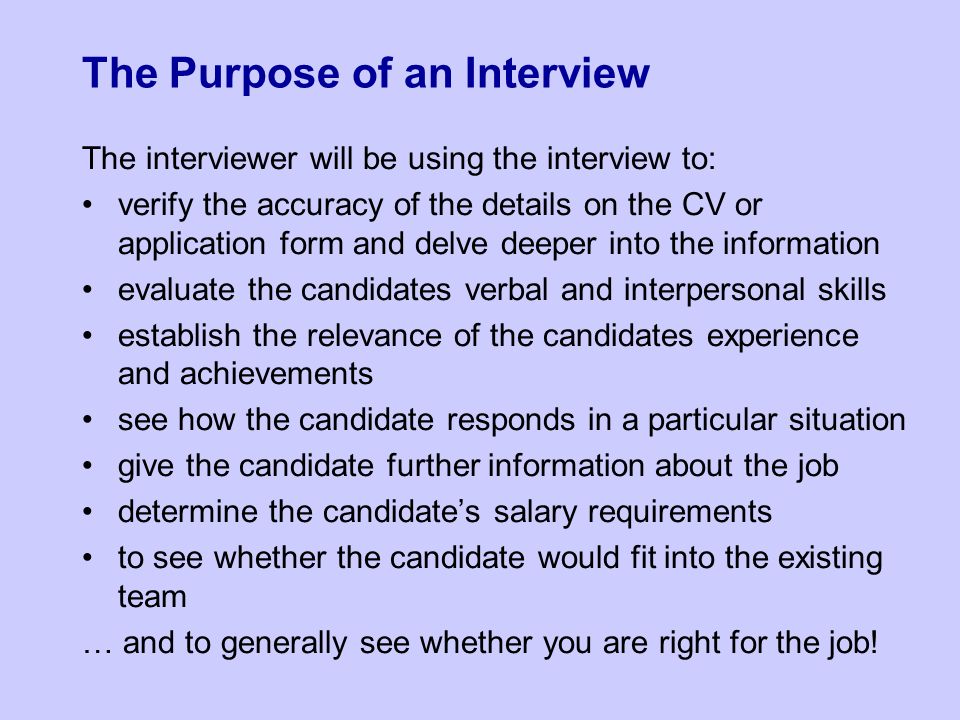
Understanding what interviewers look for is key to performing well. They assess your confidence, communication skills, and how well you fit with their company culture. Reflect on a time when you felt misunderstood because you didn’t convey your thoughts clearly. Improving your interview skills can prevent such misunderstandings and showcase your true potential.
Building Confidence And Reducing Anxiety
Feeling nervous before an interview is natural, but you can manage it with practice. Regular mock interviews with friends or mentors can build your confidence. When you’re well-prepared, you’re less likely to fumble and more likely to articulate your thoughts clearly.
Highlighting Your Unique Qualities
Your unique qualities can be your strongest assets, but only if you know how to present them. Think about a skill or experience that sets you apart. How can you express this in a way that aligns with the company’s needs? Crafting your narrative around these aspects can make you memorable to interviewers.
Communicating Effectively
Effective communication is more than just speaking well; it’s about listening and responding appropriately. Pay attention to the questions and answer them concisely. Use bullet points to organize your thoughts if needed. This approach ensures your answers are clear and to the point.
Adapting To Different Interview Formats
Interviews can vary widely in format, from traditional in-person meetings to virtual interviews. Each format requires a different approach. For instance, in a virtual setting, your body language and eye contact still matter, even through a screen. Being adaptable in different scenarios shows your versatility and preparedness.
Reflecting On Your Experiences
After each interview, take time to reflect on what went well and what didn’t. This self-assessment helps you pinpoint areas for improvement. Did you answer every question to the best of your ability? Use this feedback loop to continuously refine your skills, making each interview better than the last. By honing your interview skills, you’re not just preparing for a job; you’re investing in your personal and professional growth. What steps will you take today to improve your interview game?
Related Post: What are the Advantages of Skills Development Act? Unlock Growth
First Impressions
First impressions are crucial during interviews. They can set the tone for the entire conversation. Imagine walking into a room and instantly conveying confidence and capability—how impactful is that?
Interview skills play a significant role in shaping these first impressions. Your ability to communicate effectively can determine how potential employers perceive you. It’s not just about what you say, but how you say it.
Understanding Body Language
Your body language speaks volumes before you even utter a word. A firm handshake, maintaining eye contact, and a genuine smile can make a great first impression. These non-verbal cues demonstrate confidence and approachability.
Think about it: when you meet someone who stands tall and smiles warmly, don’t you immediately feel more at ease? Use these skills to your advantage in interviews.
Dress Appropriately
The way you dress can significantly impact first impressions. Dressing professionally shows you respect the opportunity and take it seriously. It reflects your understanding of the company’s culture and expectations.
Consider your outfit as an extension of your personality. Is it neat, clean, and suitable for the position? Your attire should speak to your professionalism and attention to detail.
Preparation And Poise
Preparation can boost your confidence, helping you make a strong first impression. Knowing about the company and role makes you appear informed and enthusiastic. It also enables you to answer questions thoughtfully.
Imagine entering the interview room knowing the company’s mission and values. Wouldn’t you feel more confident? That confidence shines through in your demeanor.
Engaging Conversation
Engage your interviewer in meaningful conversation. Listen actively and respond thoughtfully. This interaction showcases your interpersonal skills and genuine interest in the position.
Think about the interviews you’ve had. Were they memorable because of the engaging dialogue? Strive to create that connection with every interviewer.
Handling Nervousness
Nervousness is natural, but how you manage it can affect first impressions. Simple techniques like deep breathing can help calm your nerves. Being calm shows you can handle pressure.
Consider sharing a personal experience where you overcame nervousness in an interview. How did it impact your impression on the interviewer? Such stories can resonate with readers.
So, as you prepare for your next interview, ask yourself: How will you make your first impression count? What skills can you hone to ensure you’re remembered positively? Remember, the first few moments can shape the entire interview experience. Make them count.
Effective Communication
Effective communication is a key part of interview skills. It helps convey ideas clearly and confidently. Employers value candidates who can express themselves well. Effective communication builds trust and understanding. It plays a crucial role in making a strong impression during interviews.
Verbal Communication
Verbal communication involves the words you use. Choose words wisely to express ideas clearly. Simple language is often more effective. Avoid using jargon or complex terms. Speak slowly and clearly. This helps the interviewer understand you better. Listening is also a part of verbal communication. Respond to questions thoughtfully, showing you listened.
Non-verbal Cues
Non-verbal cues are just as important as words. They include body language, facial expressions, and eye contact. A firm handshake can show confidence. Smiling can make you seem approachable. Good posture shows you are attentive. Maintain eye contact to show interest. Avoid crossing arms, which can seem defensive. Understanding non-verbal signals can enhance your communication.
Confidence Building
Interview skills play a vital role in building confidence. They help individuals express themselves clearly and make a lasting impression. Good skills can open doors to career opportunities and personal growth.
Confidence is a game changer in job interviews. Imagine walking into a room and feeling at ease, ready to share your story. This is what confidence can do for you. It transforms nerves into excitement and gives you the power to express your true potential. Let’s explore how honing your interview skills can build this vital confidence.
Understanding Your Strengths
Knowing what you bring to the table is crucial. Reflect on past successes and skills that make you unique. When you articulate these confidently, you leave a lasting impression. Consider asking yourself: What achievements am I most proud of? This self-awareness boosts your confidence.
Practice Makes Perfect
Repetition is key to building confidence. The more you practice, the more comfortable you’ll become. Conduct mock interviews with friends or family. This familiarizes you with common questions and reduces anxiety. Remember, each practice session is a step towards greater confidence.
Body Language Speaks Volumes
Your body language can either support or undermine your words. Maintain eye contact and sit up straight to project confidence. A firm handshake and a genuine smile go a long way. Ask yourself, “What does my posture say about me?” Your non-verbal cues can speak louder than words.
Preparing For The Unexpected
Interviews can be unpredictable. Being prepared for curveballs can boost your confidence significantly. Think about potential questions that could catch you off guard and rehearse your responses. This readiness will reassure you, even if the unexpected happens.
Learning From Each Experience
Every interview is a learning opportunity. Reflect on what went well and areas for improvement. This reflection helps you grow and boosts your confidence for future interviews. Ask yourself, “What can I do better next time?” Continuous learning fosters continuous confidence. Building confidence isn’t just about feeling good; it’s about preparing yourself to showcase your best self. What steps will you take to boost your confidence before your next interview?
Showcasing Abilities
Interview skills are vital for showcasing abilities effectively in job interviews. They help in expressing thoughts clearly and confidently. Good interview skills increase the chances of making a strong impression on potential employers.
Showcasing your abilities during an interview is like presenting the best version of yourself to potential employers. It’s your moment to shine and demonstrate why you’re the perfect fit for the role. Imagine stepping into an interview room with confidence, ready to highlight the skills and experiences that make you unique. This is where your interview skills come into play, turning your qualifications into a compelling narrative that captivates your interviewer.
Highlighting Skills
When you highlight your skills, you’re putting the spotlight on what makes you special. Think about the abilities that set you apart and how they align with the job description. Have you ever solved a complex problem at work using creative thinking? Share that story. It not only shows your skills but also your ability to apply them effectively. Consider the skills that are most relevant to the job. Are you a team player, or do you excel in independent projects? Tailor your examples to match the job requirements. This approach makes it easier for interviewers to see you as a seamless fit for their team.
Presenting Experience
Experience tells your story of growth and learning. When discussing your experience, focus on specific achievements and what you learned from them. Did you lead a project that required tight deadlines and coordination across departments? Talk about how you managed the team and delivered results. Be honest and concise about your experiences. If you faced challenges, explain how you overcame them and what you learned. Employers value candidates who grow from their experiences and can bring those lessons to their new role. Ask yourself, how does your experience connect with the position you’re applying for? Draw clear lines between your past roles and the responsibilities of the new job. This shows that you understand the job and are ready to contribute from day one.
Credit: ivypanda.com
Handling Difficult Questions
Handling difficult questions in an interview can be challenging. These questions test your ability to think clearly under pressure. They also reveal your problem-solving skills and adaptability. With the right approach, you can tackle these questions with confidence. This builds a positive impression on the interviewer.
Understanding The Interviewer’s Intent
Interviewers ask tough questions to gauge your critical thinking. They want to see how you handle pressure. It’s not just about the answer. It’s about your approach to finding a solution. Show your thought process. Demonstrate calm and clarity.
Preparing For Common Difficult Questions
Research common challenging questions before the interview. Practice your responses. This boosts your confidence. Familiarize yourself with questions about weaknesses or conflicts. Prepare structured answers. This helps you stay focused.
Staying Calm And Composed
Maintain composure when faced with tough questions. Take a deep breath. Pause before answering. This gives you time to organize your thoughts. A calm demeanor shows maturity and confidence. It reassures the interviewer of your capability.
Admitting Uncertainty Gracefully
Admit if you don’t know the answer. Be honest and express willingness to learn. This shows humility and eagerness to grow. Avoid guessing or giving incorrect information. Acknowledging gaps can be a strength.
Using The Star Method
The STAR method helps structure your answers. It stands for Situation, Task, Action, and Result. Use this method to provide clear and concise responses. It ensures you cover all aspects of the question.
Practicing Active Listening
Listen carefully to the question. Ensure you understand what is being asked. Ask for clarification if needed. This avoids misinterpretation. Active listening also shows respect and attentiveness.
Creating A Positive Impact
Interview skills matter for positive impact. They help express thoughts clearly and build confidence. Good communication can impress employers and create opportunities.
Creating a positive impact in an interview can be a game-changer. It’s not just about answering questions correctly; it’s about leaving a lasting impression. Your interview skills can set you apart from other candidates, making you memorable in a sea of resumes. Think about the last time you met someone who left you feeling inspired or eager to know more about them. That’s the kind of impact you want to create during an interview. Let’s dive into the key elements that can help you achieve this.
Preparing Your Mindset
Going into an interview with the right mindset is crucial. Confidence can be a major factor in how you’re perceived. But it’s not about arrogance; it’s about being self-assured in your skills and experiences. Imagine walking into the room believing you are the best candidate for the job. This belief will naturally reflect in your demeanor and responses.
Listening Actively
Active listening is more than just hearing words. It’s about understanding the intent behind them. You show respect and interest when you listen carefully, which can significantly enhance your rapport with the interviewer. Consider how you feel when someone truly listens to you. It creates a sense of connection and trust, which is exactly what you want to foster in an interview setting.
Expressing Genuine Enthusiasm
Enthusiasm is contagious. When you express genuine excitement about the role and the company, it can be infectious. This doesn’t mean you need to be overly animated, but your passion should be evident in your voice and expressions. Picture a time when you shared a story you were passionate about. Your enthusiasm likely drew others in, making them more interested in what you had to say.
Showcasing Your Unique Value
Identify what makes you unique and highlight it. This could be a specific skill, a unique experience, or a perspective that sets you apart. Think of it as your personal brand. How can you add value to the company in a way that others can’t? Reflect on a time when your unique contribution made a difference in a project or team. Share this during your interview to illustrate your value.
Asking Insightful Questions
Asking questions shows that you’re engaged and interested. It also demonstrates your understanding of the company and the role. Instead of asking generic questions, think about what genuinely intrigues you about the position. What are you curious to learn more about? Your questions can lead to a meaningful dialogue, leaving a strong impression on the interviewer. Creating a positive impact in an interview is about connecting and communicating effectively.
It’s about showing up as your authentic self and demonstrating why you’re the best fit for the role. With preparation and intentionality, you can turn your interview into a stepping stone toward your next opportunity. What strategies will you use to make your next interview unforgettable?
Post-interview Etiquette
Interview skills are crucial for making a strong impression. They help convey confidence and professionalism. This can increase the chances of getting hired. Good skills also show respect and enthusiasm, which employers appreciate.
Post-interview etiquette is an essential yet often overlooked aspect of interview skills. Your actions and communication after the interview can leave a lasting impression on potential employers. By mastering post-interview etiquette, you can differentiate yourself and keep the door open for future opportunities.
Follow-up Practices
Timely follow-up is crucial. Sending a thank-you email within 24 hours of your interview shows your appreciation and interest. Make it personal—mention something specific from your conversation to remind them of your connection. Consider calling if you haven’t heard back in a week or two. Politely inquire about the status of your application. This shows your eagerness and patience. But don’t overdo it. One follow-up email and a call are enough. Too much can seem pushy.
Reflecting On Performance
Reflecting on your interview performance helps you grow. Ask yourself what went well and what you could improve. Did you answer questions confidently? Make a list of the questions you found challenging. Prepare better answers for the future. This reflection turns each interview into a learning experience. Think about how you presented yourself. Did you communicate clearly and concisely? Reflecting helps you refine your approach for next time. Are there aspects of your performance that surprised you? These insights can be invaluable for personal development. As you refine your interview skills, your confidence will naturally grow. What’s your biggest takeaway from your last interview? Consider how you can apply it to your next opportunity.
Continuous Improvement
Continuous improvement is vital in honing interview skills. It helps individuals grow and adapt to different interview scenarios. Improving these skills over time leads to better job opportunities.
Understanding The Feedback Loop
Feedback is a critical part of continuous improvement. After each interview, analyze what went well and what needs work. Feedback helps identify strengths and weaknesses. Use it to refine your approach.
Setting Clear Goals
Set specific goals for each interview session. Focus on what you want to achieve. Whether it’s communicating clearly or asking insightful questions. Goals provide direction and motivate improvement.
Practicing Regularly
Regular practice enhances interview skills. Role-play with friends or mentors. Practice builds confidence and reduces anxiety. It prepares you for different interview styles and questions.
Staying Updated With Trends
Interview formats and expectations change. Stay informed about new trends in interviewing. Adapt your skills to meet these changes. This keeps you relevant in the job market.
Utilizing Resources
Many resources can aid improvement. Books, workshops, and online courses offer valuable insights. Utilize these tools to expand your knowledge. They provide strategies for effective interviewing.
Reflecting On Experiences
Reflect on past interview experiences. Consider what worked and what didn’t. Reflection helps in understanding personal growth. It highlights areas needing more focus and development.
Credit: www.mbaskool.com
Frequently Asked Questions
Why Are Interview Skills Crucial For Success?
Interview skills are vital for showcasing your qualifications effectively. They help you communicate your strengths and fit for the role. Good skills can set you apart from other candidates, increasing your chances of landing the job. Practicing these skills can boost confidence and make you more adaptable in interviews.
How Do Interview Skills Impact Job Offers?
Interview skills directly influence job offers by portraying your competence and cultural fit. Strong skills demonstrate your ability to articulate experiences and answer questions confidently. They help you leave a positive impression on interviewers, increasing your chances of securing the job offer and advancing your career.
What Role Do Interview Skills Play In Career Growth?
Interview skills are essential for career advancement. They help you secure better positions by effectively communicating your value. Improving these skills can lead to promotions and new opportunities. They also enhance networking abilities, allowing you to build professional relationships and expand your career prospects.
Can Interview Skills Improve Your Communication Abilities?
Yes, interview skills enhance communication by teaching concise and clear expression. They refine your ability to listen actively and respond thoughtfully. Practicing interview techniques helps you articulate your ideas effectively, boosting confidence in various communication scenarios and improving interpersonal interactions in professional settings.
Conclusion
Interview skills matter a lot in today’s job market. They help you communicate effectively. Employers notice confidence and clarity. Strong skills can set you apart. Preparing well boosts your chances. Practice makes you more comfortable. Interviews often decide your career path.
So, focus on improving them. Listening is as crucial as speaking. Show your enthusiasm for the role. Remember, the right skills can open doors. They create lasting impressions. And lead to more opportunities. Invest time in honing them. Your career can benefit greatly.

 Anthony Wright