 Anthony Wright
Imagine your child standing confidently in front of their classmates, leading a group project with ease and charisma. Picture them making decisions with wisdom beyond their years, inspiring others, and handling challenges with resilience.
Leadership is not just a skill; it’s an essential life tool that can set your child on a path to success. But how do you nurture these qualities in your little one? How do you transform everyday moments into powerful learning experiences that cultivate leadership skills?
You’ll discover simple yet effective ways to help your child develop these vital skills. You’ll learn how to create an environment that encourages growth and confidence, and how to turn daily interactions into stepping stones for leadership. By the end, you’ll have a toolkit of strategies that can make a profound difference in your child’s life. Dive in to unlock your child’s potential and set them on a course to becoming a leader of tomorrow.
Importance Of Leadership In Early Childhood
Leadership skills in children hold immense value. They shape their future. Developing these skills early can foster confidence. It encourages responsibility and the ability to influence positively. Kids learn how to manage tasks and collaborate with peers. This early development sets the foundation for successful adulthood.
Leadership isn’t just about leading a group. It’s about making decisions and solving problems. Children with strong leadership skills tend to excel in school. They often have better social interactions. These skills promote creativity and critical thinking.
Building Confidence
Confidence is key in leadership. Children need to believe in themselves. Activities that boost self-esteem are crucial. Praise their efforts and celebrate achievements. This encourages them to take initiative.
Encouraging Communication
Effective communication is vital. Teach children to express thoughts clearly. Listening is equally important. Encourage them to listen to others. This builds mutual respect and understanding. Communication fosters teamwork and collaboration.
Promoting Decision-making
Decision-making is a core leadership skill. Provide choices for kids to decide. Allow them to face consequences of their decisions. This teaches accountability. It also helps them learn from mistakes.
Fostering Problem-solving
Problem-solving skills are essential. Encourage children to tackle challenges. Support them in finding solutions. This develops resilience and creativity. Problem-solving builds a strong foundation for future leadership roles.
Encouraging Responsibility
Responsibility is a crucial trait. Assign tasks to kids. Make them responsible for their actions. This teaches discipline and reliability. Responsibility enhances their leadership abilities.
Instilling Empathy
Empathy is a vital leadership trait. Teach kids to understand others’ feelings. Encourage kindness and compassion. Empathy fosters healthy relationships. It helps children connect with peers effectively.

Credit: www.bgctx.org
Identifying Leadership Traits
Identifying leadership traits in kids is crucial for nurturing future leaders. Some children naturally exhibit leadership skills. Others may need guidance to develop these abilities. Parents and teachers play a key role in this process. By observing children’s behavior, adults can identify potential leaders. Recognizing these traits early helps in providing the right support.
Observing Natural Tendencies
Watch how kids interact in groups. Do they take initiative? Do they inspire others? These actions hint at leadership qualities. Kids who easily communicate and collaborate often possess leadership potential. Their natural ability to solve problems also indicates leadership traits.
Recognizing Potential In Activities
Notice how kids behave during different activities. Some children excel in organizing tasks. Others show resilience in challenging situations. These are signs of leadership skills. Pay attention to how they handle responsibilities. Kids who take charge or motivate peers often have leadership potential.
Related Post: What Happens After Skills Interview in Accenture? Insights Unveiled
Encouraging Decision Making
Developing leadership skills in kids is crucial for their growth. One key aspect is encouraging decision making. When children learn to make choices, they gain confidence and become more independent. It’s about empowering them to trust their instincts and think critically. You may wonder how to guide your child in this journey. Let’s explore some practical strategies to help them develop this vital skill.
Empowering Choices
Start by giving kids options. You might offer them a choice between two activities, like playing soccer or painting. This simple act teaches them to weigh options and decide. It’s not just about picking the fun choice but understanding consequences.
Think back to a moment when you had to make a tough choice. Share that with your child. They’ll see that even adults face decisions and learn from them. Encourage them to express what they feel about their choice. This helps build their confidence.
Consider setting up a decision-making board at home. Use sticky notes to list daily choices. Let them pick what they want to do. It’s a fun, visual way to show them they have control over their actions.
Learning From Mistakes
Every decision won’t be perfect, and that’s okay. Mistakes are part of learning. When your child makes a wrong choice, use it as a teaching moment. Discuss what went wrong and what could be done differently next time.
Remember the time you missed an important deadline? Talk about what you learned from that experience. Sharing your stories makes them feel it’s normal to err and learn. Kids should understand that mistakes aren’t failures but stepping stones to success.
Encourage them to reflect on their decisions regularly. Ask them questions like, “What did you learn?” or “How did that choice make you feel?” This reflection builds critical thinking and self-awareness.
How will you help your child become a better decision-maker today? The journey starts with simple choices and learning from the bumps along the way.
Building Communication Skills
Nurturing leadership skills in kids begins with strong communication. Encourage open conversations to boost confidence. Role-playing and group activities can further enhance their abilities to express ideas clearly.
Developing leadership skills in kids is a rewarding journey, and building communication skills is a crucial step in this process. Communication is the bridge that connects thoughts to actions. It empowers children to express themselves and understand others. As a parent or educator, nurturing these skills in children can lead to effective leaders who inspire and collaborate.
Effective Listening
Effective listening is the cornerstone of communication. Encourage kids to truly listen by maintaining eye contact and showing interest in the speaker. You might ask, “How often do we listen just to respond, instead of understanding?” Create opportunities for practice. During family meals, let each child share their daily experiences while others listen attentively. This exercise not only builds listening skills but also strengthens family bonds.
Expressing Ideas Clearly
Kids often have brilliant ideas, but expressing them clearly can be a challenge. Teach them to organize their thoughts before speaking. Ask them to think about what they want to say and how they want to say it. Encourage your child to tell stories or describe their favorite activities. This can help them learn how to convey their thoughts clearly. Remember, clarity in expression not only boosts confidence but also ensures their message is understood.
Building communication skills in kids isn’t just about talking and listening. It’s about fostering empathy and understanding. Imagine a world where every child feels heard and every idea is expressed clearly. What kind of leaders would they become?
Promoting Teamwork And Collaboration
Encouraging kids to work together builds their leadership skills. Team projects teach them cooperation and communication. Group activities help kids understand different perspectives and solve problems creatively.
Promoting teamwork and collaboration is a key step in nurturing leadership skills in kids. When children learn to work together, they develop essential social skills that help them lead effectively. Encouraging teamwork not only builds trust and cooperation but also teaches kids to value diverse perspectives and ideas.
Group Activities
Group activities are a fantastic way to instill teamwork. Simple activities like building a Lego model together or organizing a small play can teach kids how to listen to others and share ideas. These activities make them realize the importance of each member’s input. Remember the last time you had to assemble a jigsaw puzzle with friends or family? That same feeling of accomplishment can be felt by kids when they solve problems as a team. Encourage kids to discuss and plan before they start. This not only helps them understand the power of communication but also shows them how planning can lead to success.
Role Assignments
Assigning roles within a group is another effective strategy. It teaches kids responsibility and leadership. Imagine a scenario where one child is the ‘team leader’ while others are ‘researchers’ or ‘presenters’. Each child gets a chance to shine in their role, developing confidence and accountability. Consider setting up a simple project, like a small garden. Assign roles like ‘water manager’, ‘plant supervisor’, and ‘harvest coordinator’. As they carry out their duties, they’ll learn the importance of each role in achieving a common goal. Ask your child how they felt about their role. Did they enjoy leading, or did they find joy in supporting others? Such reflections help them understand their strengths and areas for improvement. Encouraging teamwork and collaboration in children isn’t just about group play. It’s about preparing them for real-world interactions. How will you start fostering these skills in the young leaders around you?
Fostering Problem Solving Abilities
Encouraging kids to solve problems boosts their leadership skills. They learn to think critically and make decisions. These abilities help them lead with confidence and creativity.
Fostering problem-solving abilities in kids is a crucial step in developing their leadership skills. Encouraging them to tackle challenges head-on not only boosts their confidence but also prepares them for real-life situations. Imagine the satisfaction a child feels when they creatively solve a problem on their own. It’s empowering, isn’t it? Let’s explore some practical ways to nurture these abilities in children.
Critical Thinking Exercises
Engaging kids in critical thinking exercises can sharpen their analytical skills. Consider using puzzles and logic games that require them to think several steps ahead. These activities encourage children to evaluate situations from different perspectives. Another effective method is to discuss hypothetical scenarios. Ask questions like, “What would you do if you were the president for a day?” This fosters their ability to assess problems critically and develop strategic solutions.
Creative Solutions
Encourage kids to think outside the box by presenting them with open-ended questions. Challenge them to come up with multiple solutions to a single problem. This not only enhances their creativity but also boosts their confidence in their ability to innovate. Involve them in household activities that require a bit of improvisation. For instance, cooking without a recipe can be a fun way to encourage creativity. Let them choose ingredients and decide how to mix them. It’s a practical lesson in decision-making and resourcefulness. Do you remember a time when you were faced with a tricky problem as a kid? How did you handle it? Sharing such stories with children can inspire them to trust their instincts and think creatively. By fostering problem-solving abilities, you are setting the foundation for your child to become a confident and capable leader. What steps will you take to nurture these skills in your children today?
Instilling Confidence And Self-esteem
Instilling confidence and self-esteem in kids builds strong leaders. Kids with high self-esteem face challenges bravely. They believe in their abilities and take initiative. Building confidence begins with small steps. Parents and educators play a crucial role here. By nurturing a supportive environment, kids gain the courage to lead.
Celebrating Achievements
Recognizing achievements boosts confidence in kids. Praise their efforts, not just results. Celebrate small victories with enthusiasm. Share their accomplishments with family and friends. This acknowledgment instills pride in their work. Encouragement from loved ones makes a difference. It motivates them to try harder next time.
Encouraging Self-reflection
Self-reflection helps kids understand their strengths. Guide them to evaluate their actions. Ask them questions about their experiences. Let them ponder what they learned. This process enhances self-awareness. It helps them recognize their potential. Encourage them to set personal goals. This practice builds resilience over time.
Role Of Parents And Educators
Parents and educators play a crucial role in shaping leadership skills in children. Encouraging teamwork, communication, and decision-making helps kids learn to lead. Provide opportunities for children to take initiative and solve problems creatively.
Developing leadership skills in kids is crucial for their future success, and the role of parents and educators in this process is indispensable. They are the primary influencers in a child’s life, shaping their understanding of leadership from an early age. By actively engaging with children, parents and educators can lay a strong foundation for leadership skills that will benefit children throughout their lives.
Supportive Environment
Creating a supportive environment is vital for nurturing leadership skills. Children thrive when they feel safe and encouraged to express themselves. Consider setting up a space where they can explore their interests without fear of judgment. Encourage open communication by asking questions that stimulate critical thinking. Instead of telling your child what to do, ask, “What do you think we should do next?” This helps them develop decision-making skills. Celebrate small achievements to boost their confidence. Recognize their efforts and accomplishments, no matter how minor, to reinforce the value of perseverance and hard work.
Modeling Leadership Behavior
Children learn a lot by observing adults around them. Demonstrate leadership qualities in your daily interactions. Show respect, empathy, and responsibility in your actions. Involve children in everyday leadership activities. Let them take charge of small tasks, like planning a family outing or organizing a classroom project. This practical involvement teaches them the importance of responsibility and teamwork. Reflect on your own experiences and share them with your children. Tell them about a time when you led a team and what you learned from it. This can be a powerful way to show them that leadership is a journey filled with learning opportunities. Have you noticed any leadership traits in your child lately? How can you further develop these skills by being a role model and creating a supportive environment?
Activities To Boost Leadership Skills
Kids can develop leadership skills through team sports, which teach teamwork and responsibility. Volunteering helps them learn empathy and organization. Encouraging them to lead group projects at school fosters confidence and communication.
Developing leadership skills in kids is a rewarding journey that can be both fun and educational. Engaging in activities designed to boost these skills can be a game-changer for their growth. Let’s delve into some effective methods to nurture young leaders.
Interactive Games
Interactive games are a fantastic way to teach kids about leadership. Games that require teamwork and strategy help children learn to communicate, make decisions, and solve problems. Consider organizing a treasure hunt where each child takes turns leading the group to the next clue. Board games like “The Game of Life” or “Risk” can also be great tools for teaching decision-making and strategic planning. These games encourage kids to think ahead and consider the consequences of their actions. Even simple role-playing games, where kids take on different leadership roles, can dramatically enhance their ability to lead and empathize with others.
Skill-building Workshops
Skill-building workshops offer a structured environment for kids to learn and practice leadership skills. Workshops focusing on public speaking can boost confidence and teach the art of persuasion. Consider enrolling your child in a workshop that emphasizes team projects. Such activities teach kids the importance of collaboration and delegation. You might also organize a community service project, where kids can plan and execute an initiative.
This real-world experience can be invaluable in teaching responsibility and initiative. Have you ever watched a child lead a group of peers in a shared task? It’s fascinating to see how quickly they adapt and learn. Encouraging kids to participate in these activities not only prepares them for future leadership roles but also builds a strong foundation of self-esteem and competence. Are you ready to guide your child towards becoming a leader?
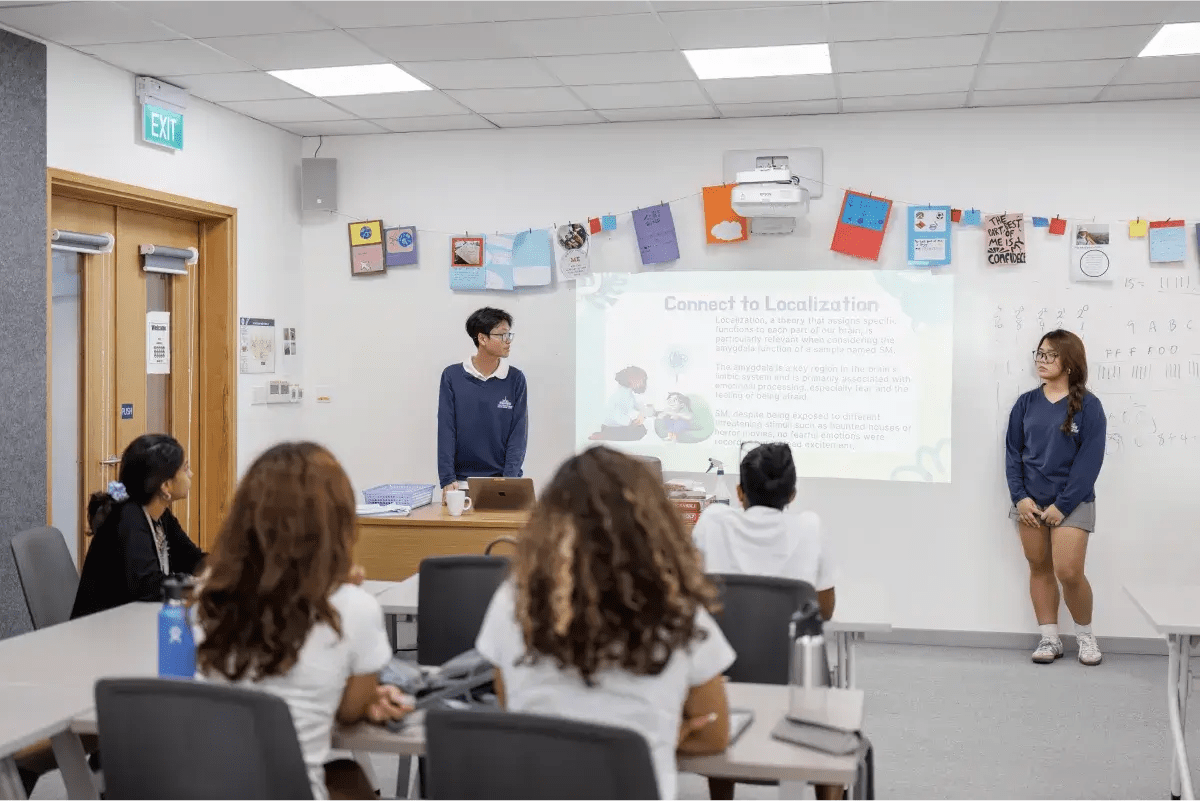
Credit: www.ishcmc.com
Monitoring Progress And Adaptation
Developing leadership skills in kids requires close observation and flexibility. Monitoring progress and adapting methods ensure kids grow effectively. Every child learns differently, so it’s crucial to track their development and adjust strategies accordingly.
Tracking Development
Observe how your child interacts with peers. Note how they handle group tasks. Are they taking initiative or waiting for directions? Pay attention to their communication skills. Are they expressing ideas clearly? This helps identify strengths and areas for improvement. Keep a journal of their leadership moments. Record achievements and challenges. Review this regularly to see growth.
Adjusting Strategies
Adapt approaches based on observations. If a child struggles with decision-making, offer more choices. Encourage them to think through options. Introduce new activities that challenge their leadership abilities. Consider team sports or group projects. Tailor experiences to suit their learning style. Some kids respond well to visual aids. Others prefer hands-on activities. Adjust strategies to keep them engaged.

Credit: missiongrit.com
Frequently Asked Questions
How Can Parents Teach Leadership To Kids?
Parents can teach leadership by modeling positive behaviors and encouraging decision-making. Involve children in family decisions and guide them in problem-solving. Encourage teamwork through group activities or sports. Praise their efforts and provide constructive feedback. Consistent support and encouragement help children build confidence and leadership skills over time.
What Activities Build Leadership Skills In Children?
Activities like team sports, group projects, and volunteering build leadership skills in children. Encourage participation in clubs or student councils. These activities promote communication, responsibility, and collaboration. Role-playing and setting goals also enhance leadership abilities. Such experiences teach kids to lead, listen, and work with others effectively.
Why Is Leadership Important For Kids?
Leadership is crucial for kids as it boosts confidence and decision-making abilities. It helps them communicate effectively and solve problems. Leadership skills foster teamwork and responsibility. These qualities prepare children for future challenges and opportunities. Developing leadership early contributes to personal growth and success in various life aspects.
At What Age Should Leadership Skills Be Developed?
Leadership skills can be nurtured from an early age, often starting around preschool. Children as young as three can learn basic leadership through play and interaction. As they grow, structured activities enhance these skills. Early development lays a strong foundation for effective leadership abilities in later childhood and adulthood.
Conclusion
Nurturing leadership skills in kids shapes their future. Encourage open communication and active listening. Teach problem-solving through fun activities. Set examples of leadership at home and school. Praise their efforts, not just results. Offer opportunities for teamwork and responsibility. Every child can grow into a confident leader.
Celebrate small victories along their journey. Remember, patience and consistency are key. Enjoy watching them blossom into role models. Leadership skills prepare them for life’s challenges. Let them explore and learn with joy. Your guidance will make all the difference.
Keep inspiring them every day!

 Anthony Wright